


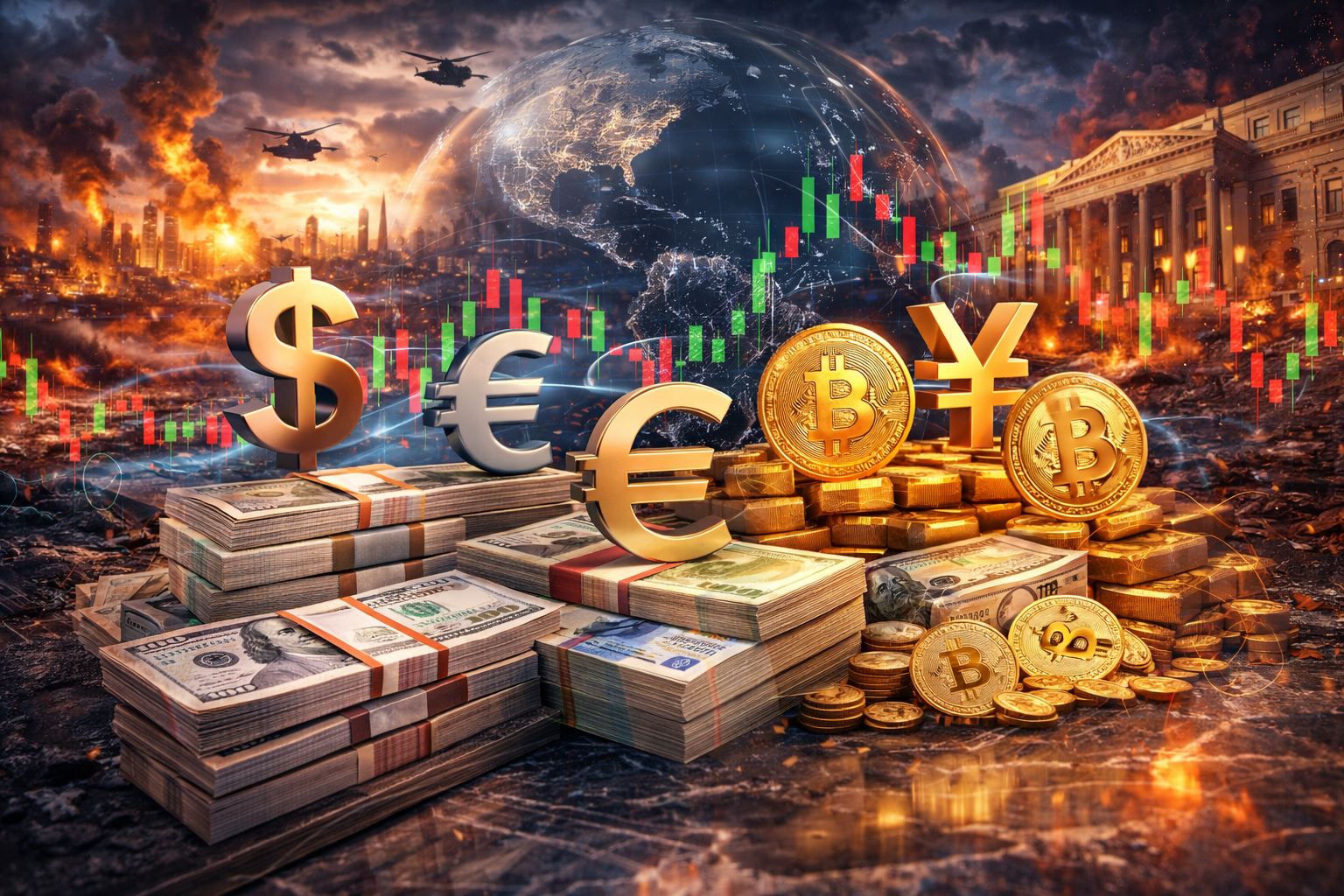
A period of downward adjustment for the United States dollar against a basket of peer currencies was observed for a second consecutive session on Tuesday. This movement is widely interpreted by market participants as a strategic positioning of portfolios in anticipation of a series of critical interest rate decisions scheduled by major central banks throughout the week. Prior to this softening, the dollar had ascended to a ten-month peak, a trajectory primarily driven by the escalating conflict in the Middle East and the subsequent surge in global energy prices, which had encouraged a flight to the perceived safety of American financial assets.
Heightened attention is currently directed toward the United States Federal Reserve, which is expected to announce its policy determination on Wednesday. This will be followed by similar announcements from the European Central Bank, the Bank of England, and the Bank of Japan. While a general consensus exists that interest rates will remain unchanged across these institutions, a meticulous analysis of official commentary regarding inflationary pressures and the broader economic outlook is expected. These assessments are particularly vital given the ongoing military tensions and their impact on global trade. In the derivatives market, expectations for monetary easing by the Federal Reserve have been notably scaled back, with current pricing reflecting a mere 25 basis points of potential cuts for the year. Conversely, a sharp shift in sentiment regarding the European Central Bank has been noted, with traders now accounting for the possibility of two rate hikes in 2026—a stark contrast to the easing bias observed prior to the onset of the regional conflict.
The impact of the geopolitical situation is most visible in the energy sector, where Brent crude futures have been maintained at levels exceeding $100 per barrel. This pricing reflects profound concerns regarding supply stability, especially given the restricted operational status of the Strait of Hormuz. Following renewed hostilities impacting export terminals in the Gulf of Oman, specifically at the port of Fujairah, oil prices recorded a significant daily settlement increase. These disruptions have led to a cumulative rise in crude costs of more than 40% since February. Consequently, financial analysts suggest that central bank officials are likely to adopt a hawkish stance, potentially signaling a prolonged pause in rate reductions to counteract the inflationary risks posed by elevated energy costs.
In the foreign exchange markets, the dollar recorded a decline against the Swiss franc, continuing a multi-day trend of depreciation. The broader dollar index, which reached its highest level since mid-2025 late last week, has since eased as market sentiment undergoes a subtle transformation. Observers have noted that while the dollar was previously characterized by a “buy on dips” mentality following the commencement of the war, a “sell on rallies” approach has recently become more prevalent. Meanwhile, the euro experienced a modest recovery against the greenback after having recently touched its lowest valuation since August 2025.
Significant activity was also recorded in the Pacific region, where the Australian central bank implemented a rate increase for the second consecutive month. This move, which brought rates to a ten-month high, was designed to reverse previous cuts and address the upward tilt of inflationary risks. The decision was reached through a highly contested board vote, marking one of the most divided tallies since public disclosure of such figures began. Following this hawkish signal, the Australian dollar saw a corresponding rise in value against the U.S. dollar.
In Asia, the Japanese yen has moved toward levels historically associated with government intervention. The currency’s volatility is being closely monitored by Japanese financial authorities, who have reiterated a readiness to take decisive measures to stabilize foreign exchange markets. The Governor of the Bank of Japan has indicated that underlying inflation is trending toward the established 2% target, though it was emphasized that such price increases must be supported by consistent wage growth to be considered sustainable. As the week progresses, the global financial community remains focused on the intersection of military developments and monetary policy, as these factors continue to dictate the rhythm of international capital flows.