



Shares of the largest US technology companies rallied on Wednesday after Democrats won control of both chambers of Congress in the midterm elections, while stocks tied to the construction of artificial intelligence data centres fell sharply. Amazon climbed 7.4% to a three-month high and Apple rose nearly 7% to a record, according to Reuters.
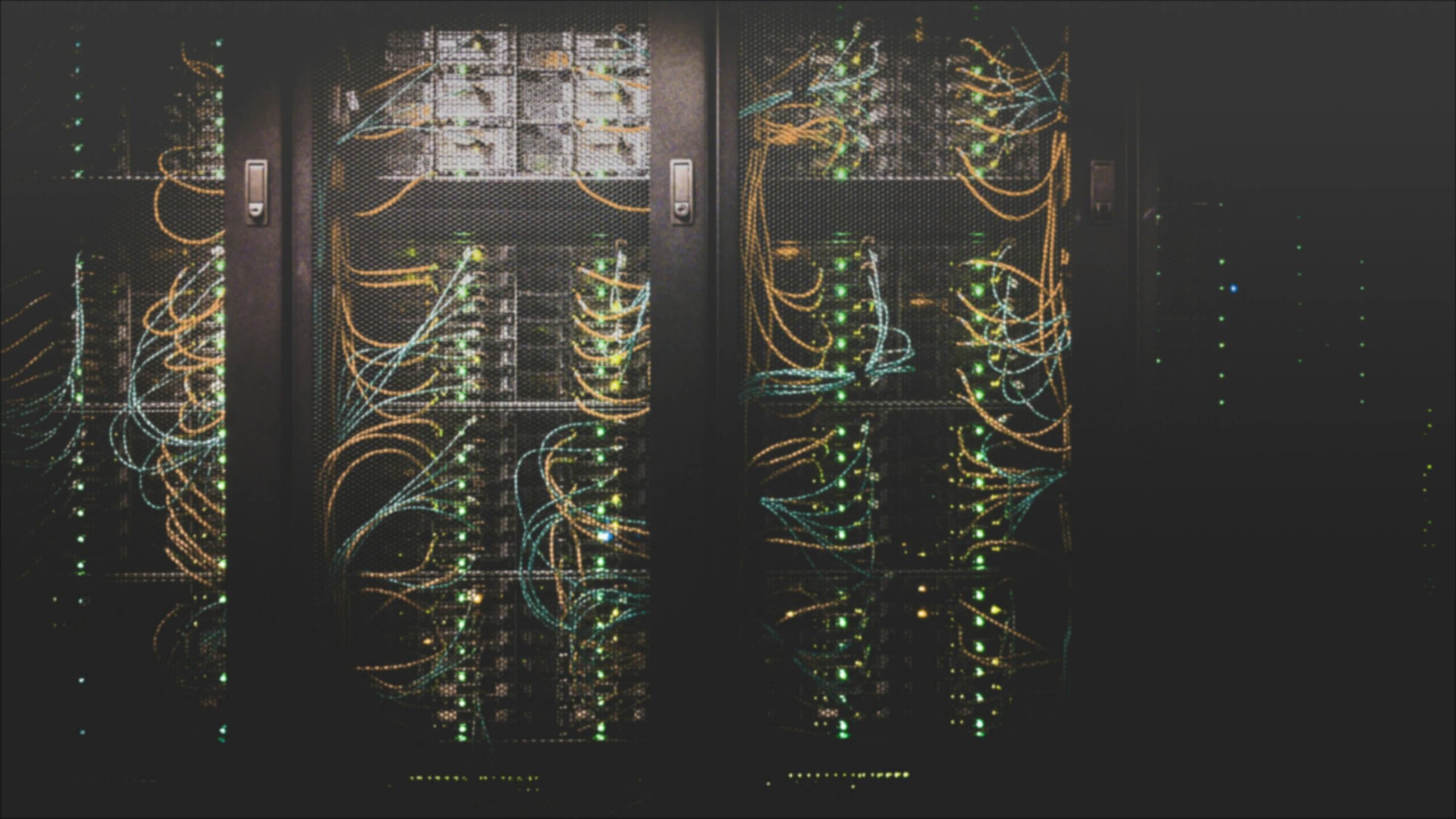
Investors are betting that the political shift, including Democratic gains in Texas, could lead to limits on new data centre construction. Such curbs would slow the capital spending race among cloud providers, ease pressure on their cash flows and make existing computing capacity more valuable.
The divergence highlights a growing split within the technology sector between the cash-rich platform giants and the debt-funded developers that have raced to build infrastructure for them. If the gains hold, the five Big Tech companies are on track to add more than $750 billion in combined market value.
Key Takeaways
- Amazon rose 7.4% to a three-month high and Apple gained nearly 7% to a record after the Democratic midterm victory.
- Meta, Alphabet and Microsoft advanced between 2% and 6.3%, putting Big Tech on track to add over $750 billion in value.
- Data centre operators fell sharply, with Hut 8 down 23%, on expectations of a slower AI infrastructure buildout.
- Texas, which hosts an estimated quarter or more of US data centre capacity, is at the centre of the policy debate.
Platform Giants Lead the Rally
Meta Platforms, Alphabet and Microsoft gained between 2% and 6.3% during the session, Reuters reported, joining Amazon and Apple in a broad advance for the largest technology names. Scott Chornert, head of US equity strategy at Citi Research, described the election outcome as “a clearing event” that removed a major source of uncertainty for markets.
Apple’s move to an all-time high stood out. The company has largely avoided the heavy artificial intelligence spending undertaken by its peers, although it has been squeezed by rising memory chip prices, a pressure that has reshaped costs across consumer electronics this year.
The largest technology companies plan to spend more than $740 billion on capital projects this year, up from roughly $400 billion last year, according to Reuters. Investors have grown increasingly uneasy about the scale of that outlay and its effect on free cash flow.
Data Centre Stocks Bear the Brunt
The mood was very different among companies that build, power or lease data centre capacity. Hut 8 fell about 23%, while IREN, Core Scientific and Applied Digital lost between 7% and 11%, according to Reuters. CoreWeave also traded lower, extending a period of weakness for AI infrastructure names.
Many of these companies have spent several times their annual revenue on expansion funded largely with debt, leaving them more exposed to any slowdown in demand from hyperscale customers. Art Hogan of B. Riley Wealth argued that avoiding overbuilding would make existing facilities more valuable and reduce capital spending by the largest cloud providers.
Amit Daryanani, an analyst at Evercore ISI, said in comments reported by Investing.com that the market’s first instinct would likely be to sell AI-related names, while the longer-term question was how much the result changes underlying fundamentals.
Texas at Centre of Debate
Texas has become a focal point because of its outsized share of the industry. Estimates cited by Reuters put the state’s share of US data centre capacity at 25% to 30%, while a Wells Fargo estimate cited by CNBC places it at about 27%. Democrats won the Texas governorship as part of their broader gains, raising the prospect of tighter state-level oversight.
Local resistance to large data centre projects had already been building before the vote, with Pennsylvania among the states introducing stricter rules for AI data centre development.
Analysts noted that any federal legislation passed by the new Congress would still require the signature of President Donald Trump, limiting the near-term legislative risk. The shift in Washington has also weighed on the dollar, which slid as the midterm results emerged, adding a further layer to the market reaction.
Looking ahead, investors will watch for concrete policy proposals from incoming state administrations, particularly in Texas, and for any revisions to capital spending plans when the largest technology companies next update guidance. The durability of the rally will depend on whether a slower buildout translates into stronger free cash flow for the platform giants without undermining their long-term position in artificial intelligence, while data centre developers face closer scrutiny of their funding and leasing pipelines. More coverage is available in our Technology section.