



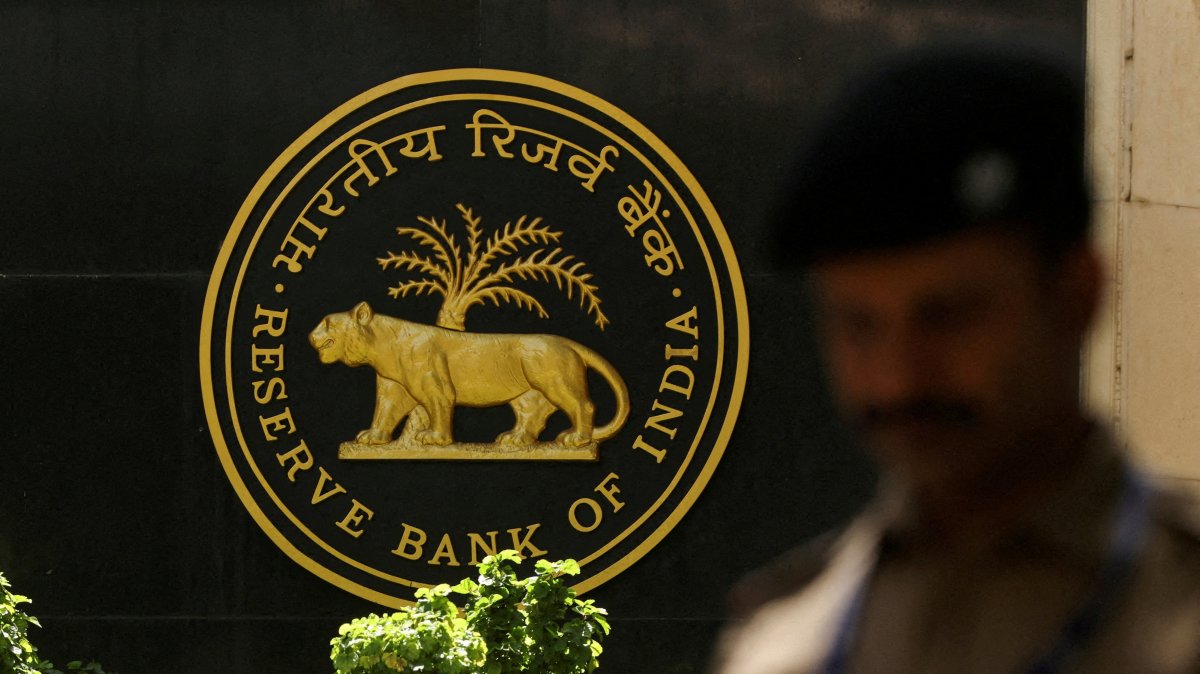
A landmark shift in the ownership architecture of the Indian non-banking financial sector was documented on Saturday, February 14, 2026, as it was officially confirmed that the Reserve Bank of India (RBI) had granted final approval for a significant equity acquisition in Manappuram Finance by affiliates of Bain Capital. The regulatory clearance allows for the private equity major to acquire joint control and a substantial shareholding of up to 41.66% in the Thrissur-based lender. This development concludes a nearly year-long period of scrutiny and negotiation, effectively paving the way for one of the largest foreign capital infusions into a retail-focused Indian financier in recent years.
The foundation for this transaction was established in March 2025, when definitive agreements were executed between the parties. Under these arrangements, a commitment was made by Bain Capital to invest approximately 43.85 billion Indian rupees (approximately $484.40 million) to initially acquire an 18% stake on a fully diluted basis. This initial phase is to be facilitated through a preferential allotment of equity shares and warrants, all priced at 236 rupees per share. In accordance with the regulations established by the Securities and Exchange Board of India (SEBI), this acquisition triggered a mandatory open offer to public shareholders for the purchase of an additional 26% stake at the same price. Consequently, the final shareholding possessed by Bain Capital is expected to range between 18% and 41.7%, contingent upon the level of acceptance within the open offer process.
The regulatory journey toward this approval was characterized by rigorous oversight. It was reported that the RBI had previously raised significant concerns regarding the transaction, primarily centered on the fact that Bain Capital already holds a controlling interest in Tyger Capital, another Indian lending entity. Central bank norms generally restrict a single investor group from exercising control over multiple non-banking financial companies (NBFCs) within the same category to prevent concentration risk and ensure transparent supervisory oversight. To resolve these concerns, it has been disclosed that an action plan must be submitted by the investors within a stipulated timeline to address the overlap in their domestic lending portfolios. Furthermore, the final consummation of the deal remains subject to separate regulatory clearances for Manappuram’s subsidiaries, including Asirvad Micro Finance and Manappuram Home Finance.
Upon the completion of the transaction, Bain Capital will be formally reclassified as a promoter of Manappuram Finance, sharing joint control with the existing promoter group led by Managing Director and CEO V.P. Nandakumar. It is anticipated that the original promoters will retain a 28.9% stake on a fully diluted basis. In line with the transition to a shared governance model, the company’s board of directors is slated for reconstitution to include nominee directors from the private equity firm. This infusion of global expertise is viewed by the company’s leadership as a catalyst for accelerating growth across core segments, particularly through enhanced investments in technology and risk management systems.
The strategic focus of Manappuram Finance remains firmly anchored in its robust gold loan franchise, which currently accounts for a significant portion of its approximately 315 billion rupee loan book. The gold-backed lending segment has been identified as a high-growth area, providing a resilient buffer amidst the broader volatility of the financial services sector. Despite facing margin pressures and weakened profitability in recent quarters, the steady traction in revenue from operations suggests a durable business momentum. The partnership with a global powerhouse like Bain Capital is interpreted by market observers as a strong endorsement of the company’s fundamentals and the long-term prospects of the gold loan model in India’s evolving credit landscape.
Ultimately, the 2026 narrative for the Indian NBFC sector is defined by the professionalization of legacy firms through international partnerships. The integration of Bain Capital into the governance of Manappuram Finance is expected to transform the lender into a more technologically agile and “future-ready” financial institution. As the implementation of the acquisition proceeds, the focus of the global investment community will remain fixed on how this capital infusion translates into tangible operational efficiencies and whether the company can successfully navigate the heightened regulatory oversight that now accompanies its expanded corporate profile.