


The ongoing slowdown in global trade intensified by the US – China trade tension. It reduced the transaction volume and increased the competition and battered margins in the trade finance business. This situation may have unintentionally accelerated banks’ quest to reduce costs and improve profitability. There was a growing demand for shorter processing the time and greater visibility and automation of processes, coupled with the urgent need to mitigate the growing risk from the trade based fraud and anti-money laundering and sanction violations have driven trade finance providers to explore and implement agile digital trade solutions. Survey of trade finance trends highlights row of challenges such geopolitical uncertainty impacting trade relationships, associated shifts in supply chain patterns, tighter know your customer (KYC) legislation, emerging technology and lack of wider adoption of industry standards, all making trade digitalization is a rather tough climb. These are recognized by the commercial banks and are rolling out customized and tailored trade finance solutions to cater the specific client needs. They are also accepting the innovative electronic and paperless trade processes and upgrading online product services to re enforce core bank enterprise relationship. Amongst these the best practice was found to be the conversion of the manual procedures to reduce processing time across wider eco systems, strengthening KYC processes for earlier risk detection and streamlining due to diligence process.
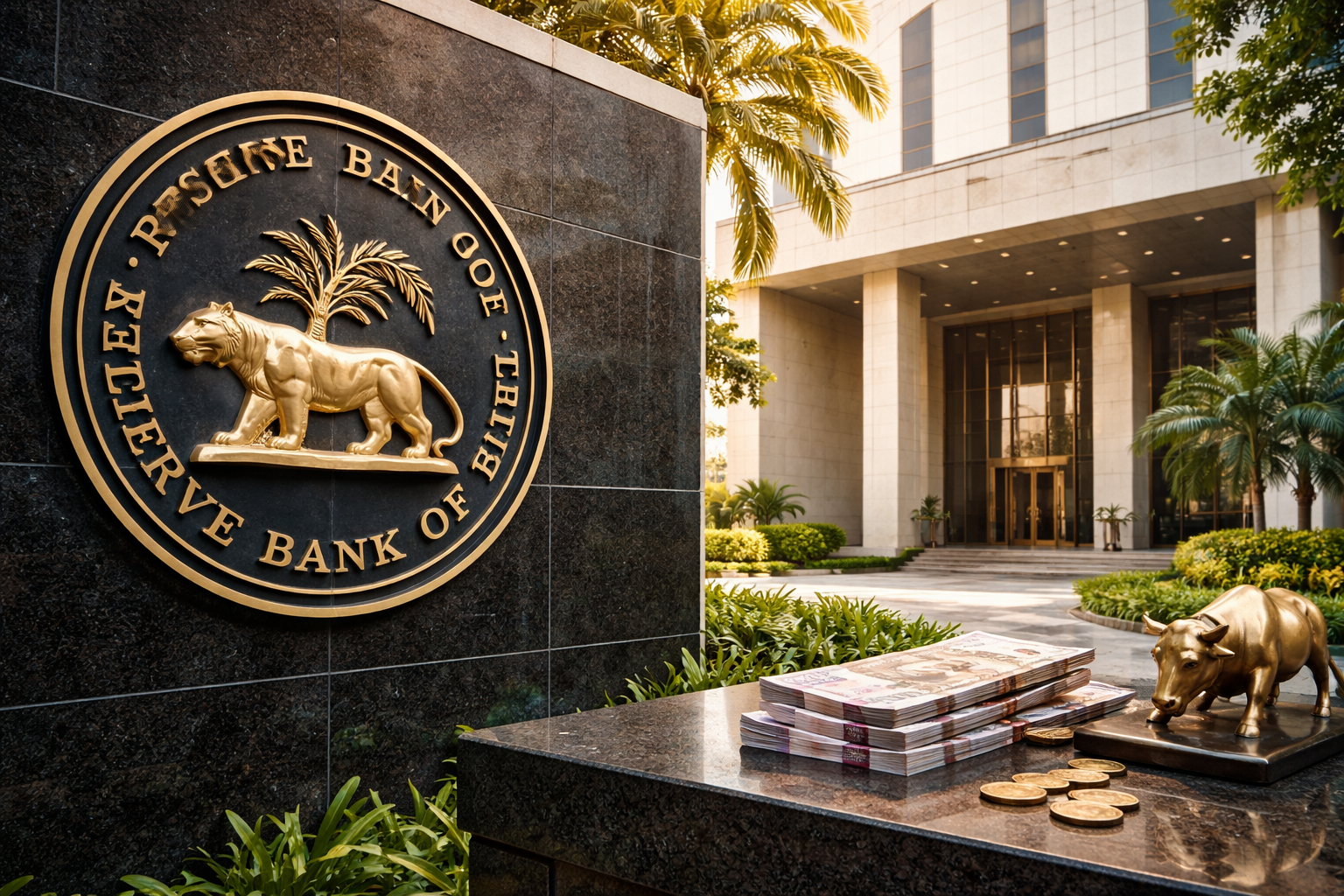
Banks in Hong Kong are leveraging closer proximity to Mainland and lowering the funding costs from stronger USD liquidity to expand their cross-border trade finance facilities. Both, Bank of China (Hong Kong) and Hang Seng Bank commenced processing of transactions with customers to submit trade documents and apply for trade finance application on eTra- deConnect, a cross-bank trade finance block chain platform. There is a push from the Reserve Bank of India (RBI) to reduce over- reliance on domestic instrument by local banks, underscoring the need to shift toward globally accepted trade finance instruments. To drive new synergies and value creation, Kotak Mahindra Bank observes that fintechs are becoming an integral part of trade ecosystem. Recent partnership with a fintech for extending financing solutions, leverages its expertise in doing the underlying documentary checks. Yes Bank deployed predictive analytics and data management tools to monitor fraud detection at various levels. Southeast Asia, United Overseas Bank (UOB) offered solutions to help clients manage their physical and financial supply chain. Others such as Metro bank and RHB Bank Group are focusing attention to ease clients’ pain points at the back of changing macro-economic dynamics and the structural impact on specific industries.
Banks are betting high stakes on the promise of block chain technology to increase automation, transparency and manage risks from trade and supply chain financing, it includes the bank’s correspondent partners and their corporates client. To remain competitive, domestic banks such as Vietcombank invested in new trade finance software to deal with the surging transaction volumes and mitigate operational risks. No doubt that the pace of transformation has quickened, although meeting common standards to achieve interoperability of solutions remains a big hurdle. Progress remains largely silted with the multifaceted nature of trade transactions, each with specific legal requirements with more than one participant in each transaction.