
Skip to content
  • Home
  • Banking
  • Finance
  • Technology
  • FinTech
  • Business
  • Videos
  • Events
  • Awards
  • Magazine
placeholder-661-1.png
  • Home
  • Banking
  • Finance
  • Technology
  • FinTech
  • Business
  • Videos
  • Events
  • Awards
  • Magazine
logo

Central bank warns about global supply disruptions

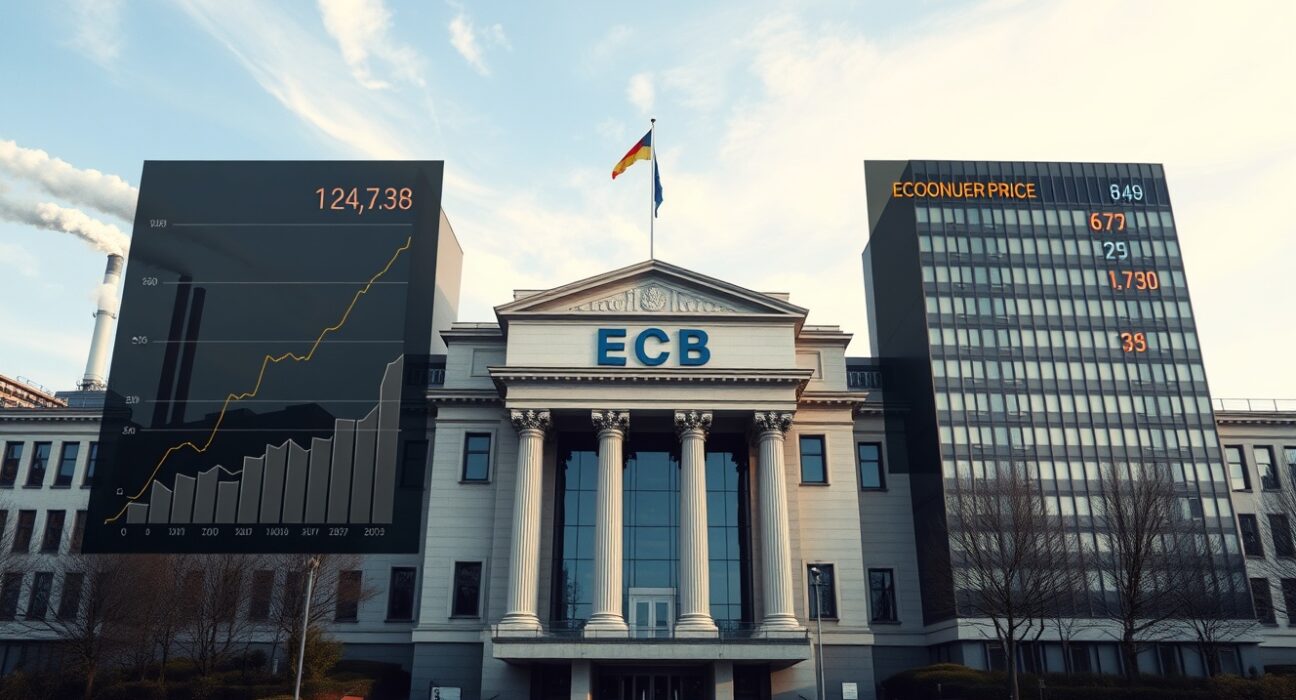
Keeping the inflation elevated longer, the supply constraints thwarting global economic growth could still get worse. The world’s top central bankers warned that this is even if the current spike in prices is still likely to remain temporary. During the pandemic, the disruptions to the global economy have upset supply chains across continents.

These disruptions have left the world short of a plethora of goods and services from car parts and microchips to container vessels that transport goods. Federal Reserve Chair Jerome Powell told a conference that it is frustrating to see the bottlenecks and supply chain problems not getting better. That is in fact at the margin apparently getting a little bit worse. Powell told the European Central Bank‘s Forum that they are continuing into next year probably and holding inflation up longer than they had thought.

YOU MAY ALSO LIKE

The Strategic Realignment of Sovereign Wealth: Analyzing Saudi Arabia’s Public Investment Fund 2026–2030 Blueprint

The Architecture of Allied Rearmament: Analyzing the Emergence of the Multilateral Defence, Security, and Resilience Bank

ECB chief Christine Lagarde voiced similar concerns by arguing that the end of these bottlenecks, once thought by economists to be just weeks away, is uncertain. Lagarde said that the supply bottlenecks and the disruption of supply chains, which they have been experiencing for a few months seem to be continuing and, in some sectors, accelerating. She thinks that about shipping, cargo handling etc.,

Global inflation has spiked in recent months. Lagarde said that the ECB would be very attentive to these second-round effects. Bank of England Governor Andrew Bailey, had planned another speaker at the forum. He said that he would keep a very close watch on inflation expectations. Central banks are the main authority for controlling prices. They have no influence over short-term supply disruptions. And so, they are likely to be bystanders. They will wait for economic anomalies. Bailey said that monetary policy cannot solve supply side shocks. It cannot produce computer chips, wind, truck drivers etc., Policymakers called for heightened attention to inflation. They all maintained their view that the spike in inflation would be temporary.

Concerns about sticky inflation have fuelled a debate. This is for unwinding the crisis-era stimulus measures. The Fed, the BoE and the Bank of Canada have openly discussed policy tightening. In countries as South Korea, Norway and Hungary, they have already raised interest rates. The ECB and the Bank of Japan are the last movers. The ECB refuses to discuss tapering. This sort of patience was only reinforced by Lagarde and Bank of Japan Governor Haruhiko Kuroda.


Tags: BankingEconomyEuropean central bankJerome Powell

Leave a Reply Cancel reply

Your email address will not be published. Required fields are marked *

Search

No Result
View All Result

Recent News

The Strategic Institutionalization of the Digital Euro: Analyzing the European Parliament’s Endorsement of Monetary Sovereignty and Payment Infrastructure Autonomy

The Strategic Realignment of Sovereign Wealth: Analyzing Saudi Arabia’s Public Investment Fund 2026–2030 Blueprint

The Strategic Stabilization of Monetary Policy: Analyzing the Reserve Bank of India’s Rate Neutrality Amidst Global Trade Realignment

The Strategic Institutionalization of Synthetic Content Oversight: Analyzing the Development of the United Kingdom’s Deepfake Detection Evaluation Framework

The Acceleration of Benchmark Integration: Analyzing Nasdaq’s Proposed Fast Entry Rule for Large-Cap Market Entrants

The Erosion of Hegemony: Analyzing the Strategic Volatility of the U.S. Dollar Amidst Institutional Uncertainty and Global Asset Realignment

Global Business Review is a online print magazine focusing on the updates and information about on emerging markets, Finance, Banking, Technology. Global Business Review provides news, features, analysis, commentary, and interviews from industry across the globe.

Recent News

The Strategic Institutionalization of the Digital Euro: Analyzing the European Parliament’s Endorsement of Monetary Sovereignty and Payment Infrastructure Autonomy

The Strategic Realignment of Sovereign Wealth: Analyzing Saudi Arabia’s Public Investment Fund 2026–2030 Blueprint

The Strategic Stabilization of Monetary Policy: Analyzing the Reserve Bank of India’s Rate Neutrality Amidst Global Trade Realignment

The Strategic Institutionalization of Synthetic Content Oversight: Analyzing the Development of the United Kingdom’s Deepfake Detection Evaluation Framework

The Acceleration of Benchmark Integration: Analyzing Nasdaq’s Proposed Fast Entry Rule for Large-Cap Market Entrants

Categories

  • Banking
  • Business
  • Events
  • Finance
  • Blogs
  • Fintech
  • Forex
  • Insurance
  • Technology
  • Videos

Social Media

COPYRIGHT © 2020-2026 GLOBAL BUSINESS REVIEW MAGAZINE LLC - ALL RIGHTS RESERVED

  • About Us
  • Contact Us
  • Advertise With Us
  • Leadership report
  • Privacy Policy
  • Disclaimer
  • Terms & Conditions
  • Nominate Now
No Result
View All Result
  • Home
  • Banking
  • Finance
  • Technology
  • FinTech
  • Business
  • Videos
  • Events
  • Awards
  • Magazine

Copyright © 2025 Global Business Review Magazine - All Rights Reserved.