

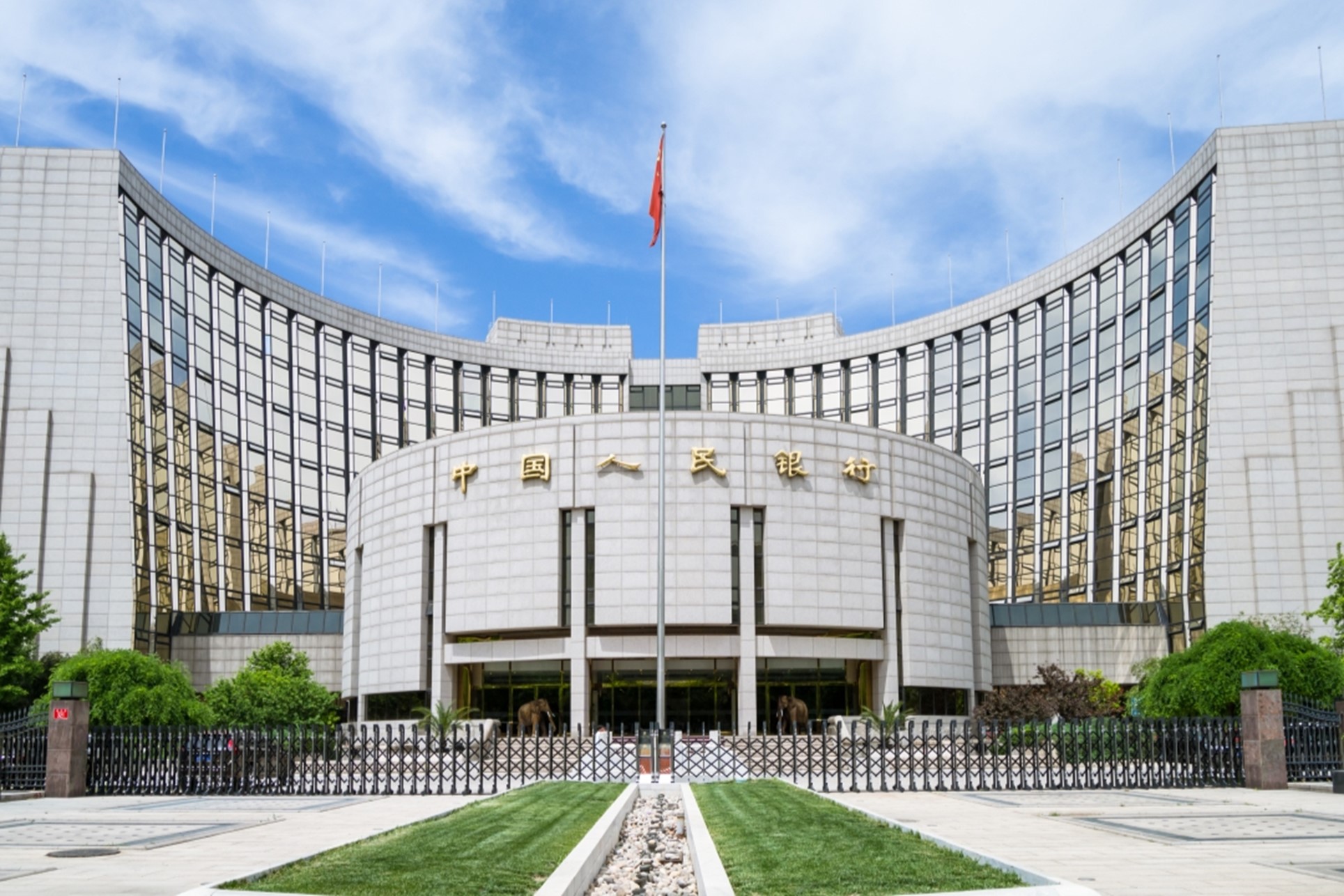
It was announced by China’s central bank on Monday that outright reverse repurchase agreements amounting to 1.7 trillion yuan had been conducted throughout the month of January. The People’s Bank of China (PBOC) indicated that these repo operations had been carried out with the objective of ensuring that liquidity within the banking system remained at a reasonable level. The tenors associated with these transactions had been set for durations of three and six months, reflecting an approach that was intended to balance short-term liquidity needs with longer-term financial stability.
The operations, which were observed to be among the most substantial liquidity injections undertaken in recent months, had been designed to counteract potential tightening in the banking sector. Financial analysts suggested that these measures had likely been influenced by various factors, including seasonal cash demands and broader economic considerations. The Lunar New Year holiday period, which typically results in increased cash withdrawals and corporate payment settlements, was believed to have contributed to the necessity of these liquidity operations.
Additionally, concerns regarding economic growth and the need to support financial institutions had also been cited as reasons behind the central bank’s decision to intervene through these reverse repo agreements. Market participants had noted that a strategic approach appeared to have been taken by the PBOC, which had sought to fine-tune monetary policy without resorting to more drastic measures such as interest rate cuts.
It was separately stated by the PBOC that no purchases or sales of Chinese government bonds had been conducted in open market operations throughout the month of January. This development suggested that market stability had been maintained without the need for additional interventions in the bond market. Some analysts viewed this as an indication that demand for government securities had remained steady, thereby allowing the central bank to focus on short-term liquidity adjustments rather than broader market interventions.
Observers in the financial sector had remarked that the central bank’s liquidity management strategy had been in line with its broader monetary policy objectives. By ensuring that liquidity remained sufficient without excessive expansion, it was believed that efforts had been made to prevent unnecessary inflationary pressures while simultaneously supporting economic activity.
As part of ongoing efforts to manage economic growth, the PBOC had previously signaled a commitment to maintaining a balanced monetary environment. It had been emphasized by policymakers that excessive liquidity injections could lead to financial risks, while insufficient liquidity might constrain lending and economic expansion. Therefore, the approach taken in January was seen as reflective of a carefully measured strategy aimed at fostering stability.
Market reactions to the central bank’s operations had been largely positive, with financial institutions expressing confidence that liquidity conditions would remain stable. Some economists had pointed out that by opting for medium-term reverse repo operations rather than direct bond purchases, the PBOC had demonstrated a preference for targeted interventions over broader stimulus measures. This approach was believed to align with the central bank’s longer-term goal of ensuring sustainable economic growth without introducing excessive financial volatility.
In addition to the domestic factors influencing liquidity management, external economic conditions had also played a role in shaping monetary policy decisions. The global financial landscape, including developments in major economies such as the United States and the European Union, had been closely monitored by Chinese policymakers. Fluctuations in global interest rates and shifts in investor sentiment had been considered as factors that could impact capital flows into and out of China, thereby necessitating a flexible approach to liquidity management.
Going forward, it had been widely anticipated by financial analysts that the PBOC would continue to adjust its monetary policy tools in response to evolving economic conditions. While further reverse repo operations could be conducted as needed, other measures such as changes to the reserve requirement ratio or adjustments to interest rates had also been considered as potential options should economic circumstances warrant additional intervention.
Overall, the approach taken by the People’s Bank of China in January had been viewed as a demonstration of its commitment to ensuring financial stability while supporting economic growth. By maintaining an ample yet controlled level of liquidity within the banking system, it had been suggested that confidence in the financial sector had been reinforced. As economic conditions continued to evolve, it was expected that further refinements to monetary policy would be implemented as necessary to address both domestic and global challenges.