
Skip to content
  • Home
  • Banking
  • Finance
  • Technology
  • FinTech
  • Business
  • Videos
  • Events
  • Awards
  • Magazine
placeholder-661-1.png
  • Home
  • Banking
  • Finance
  • Technology
  • FinTech
  • Business
  • Videos
  • Events
  • Awards
  • Magazine
logo

Does the future of Banking lie in the hands of NEOBANKS

Utilising several of the new waves of disruptive technologies such as big-data analytics, artificial intelligence (AI) and cloud computing, neobanks across the world are fundamentally transforming the very notion of banking. And given the restrictive impact that the coronavirus pandemic is having on the global population, there is now a growing belief that this new digital model of banking will play a critical role in addressing the shortcomings posed by traditional lenders.

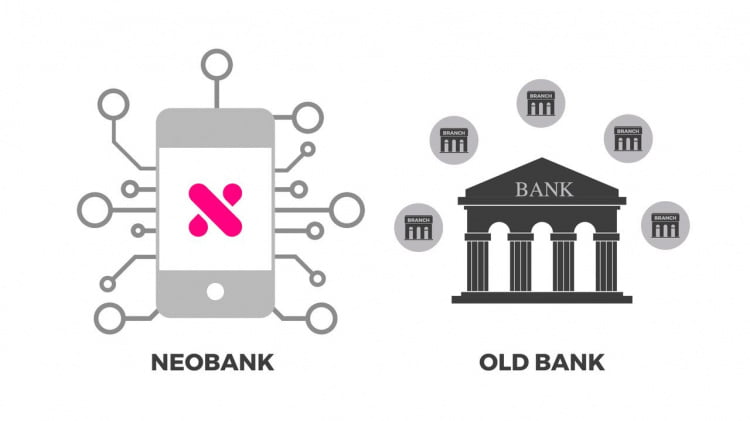
Simply put, a neobank is a type of bank that operates exclusively through digital channels. It has no physical branch network or legacy infrastructure, meaning that all neobank business is conducted through digital means, such as mobile apps and online platforms. As a term, it is often used interchangeably with challenger bank. And while they both rely heavily on the digital realm, there are some key differences to highlight. For one, neobanks are exclusively digital and tend to rely on a partner bank to obtain the appropriate licensing and regulatory approval, whereas challenger banks have their own full banking licenses. Challengers also typically offer a much broader suite of financial products and services and will tend to, but not always, have at least some physical brick-and-mortar presence, although the range of offerings that are available at neobanks is growing all the time.

YOU MAY ALSO LIKE

A Strategic Alignment in India’s Gold Lending Sector: Analyzing the Regulatory Sanction of Bain Capital’s Joint Control over Manappuram Finance

The Strategic Realignment of Sovereign Wealth: Analyzing Saudi Arabia’s Public Investment Fund 2026–2030 Blueprint

With their business models focused entirely on the digital world, perhaps the biggest advantage neobanks hold over traditional financial institutions during these troubling times of virus-induced economic gloom is that there are no physical bank branches to monitor—or, indeed, to close down. Neobanks thus represent a tempting alternative to traditional banks by offering virtually the same range of products and services to customers without the need for them to visit a branch. This also benefits bank staff, who can work remotely rather than having to be physically present at a branch.

And thanks to cloud-based infrastructure, neobanks can quickly adapt to customers’ changing needs and wants; indeed, those changes may transpire quickly and abruptly given the ongoing uncertainty brought about by the pandemic. “Integration with APIs and micro-services is widely available as the ecosystem around the cloud grows, allowing neobanks to get their products to market at a tremendous speed,” Eelco-Jan Boonstra, managing director, EMEA, of software-as-a-service banking platform Mambu recently told fintech news source Finextra.

With COVID-19 set to usher in some permanent changes that will dramatically boost the need for comprehensive digital-banking capabilities, therefore, neobanks will play a hugely important role within the global banking industry during the next few years.


Tags: Banking

Leave a Reply Cancel reply

Your email address will not be published. Required fields are marked *

Search

No Result
View All Result

Recent News

The Strategic Convergence of Intelligence and Commerce: Analyzing the Google-Sea Partnership and the Evolution of Agentic Artificial Intelligence in Southeast Asia

The Strategic Expansion of Vietnamese Aviation: Analyzing the Multi-Billion Dollar Boeing Acquisitions Amidst Evolving Transatlantic Trade Relations

The Strategic Calibration of Global Fiscal Oversight: Analyzing the 2026 Revisions to the European Union’s List of Non-Cooperative Tax Jurisdictions

A Strategic Alignment in India’s Gold Lending Sector: Analyzing the Regulatory Sanction of Bain Capital’s Joint Control over Manappuram Finance

Navigating the Threshold of Stability: An Analysis of Switzerland’s Near-Zero Inflation and the Strategic Challenges Facing the Swiss National Bank

The Ascendance of Sovereign Intelligence: Analyzing Anthropic’s Multi-Billion Dollar Capital Infusion and the Strategic Valuation of Enterprise Automation

Global Business Review is a online print magazine focusing on the updates and information about on emerging markets, Finance, Banking, Technology. Global Business Review provides news, features, analysis, commentary, and interviews from industry across the globe.

Recent News

The Strategic Convergence of Intelligence and Commerce: Analyzing the Google-Sea Partnership and the Evolution of Agentic Artificial Intelligence in Southeast Asia

The Strategic Expansion of Vietnamese Aviation: Analyzing the Multi-Billion Dollar Boeing Acquisitions Amidst Evolving Transatlantic Trade Relations

The Strategic Calibration of Global Fiscal Oversight: Analyzing the 2026 Revisions to the European Union’s List of Non-Cooperative Tax Jurisdictions

A Strategic Alignment in India’s Gold Lending Sector: Analyzing the Regulatory Sanction of Bain Capital’s Joint Control over Manappuram Finance

Navigating the Threshold of Stability: An Analysis of Switzerland’s Near-Zero Inflation and the Strategic Challenges Facing the Swiss National Bank

Categories

  • Banking
  • Business
  • Events
  • Finance
  • Blogs
  • Fintech
  • Forex
  • Insurance
  • Technology
  • Videos

Social Media

COPYRIGHT © 2020-2026 GLOBAL BUSINESS REVIEW MAGAZINE LLC - ALL RIGHTS RESERVED

  • About Us
  • Contact Us
  • Advertise With Us
  • Leadership report
  • Privacy Policy
  • Disclaimer
  • Terms & Conditions
  • Nominate Now
No Result
View All Result
  • Home
  • Banking
  • Finance
  • Technology
  • FinTech
  • Business
  • Videos
  • Events
  • Awards
  • Magazine

Copyright © 2025 Global Business Review Magazine - All Rights Reserved.