



The US dollar held close to a two-week high in Asian trading on Wednesday, after hotter-than-expected inflation data strengthened expectations that the Federal Reserve will raise interest rates in December. The dollar index, which tracks the currency against six major peers, was steady at 102.22, according to Reuters and Investing.com.
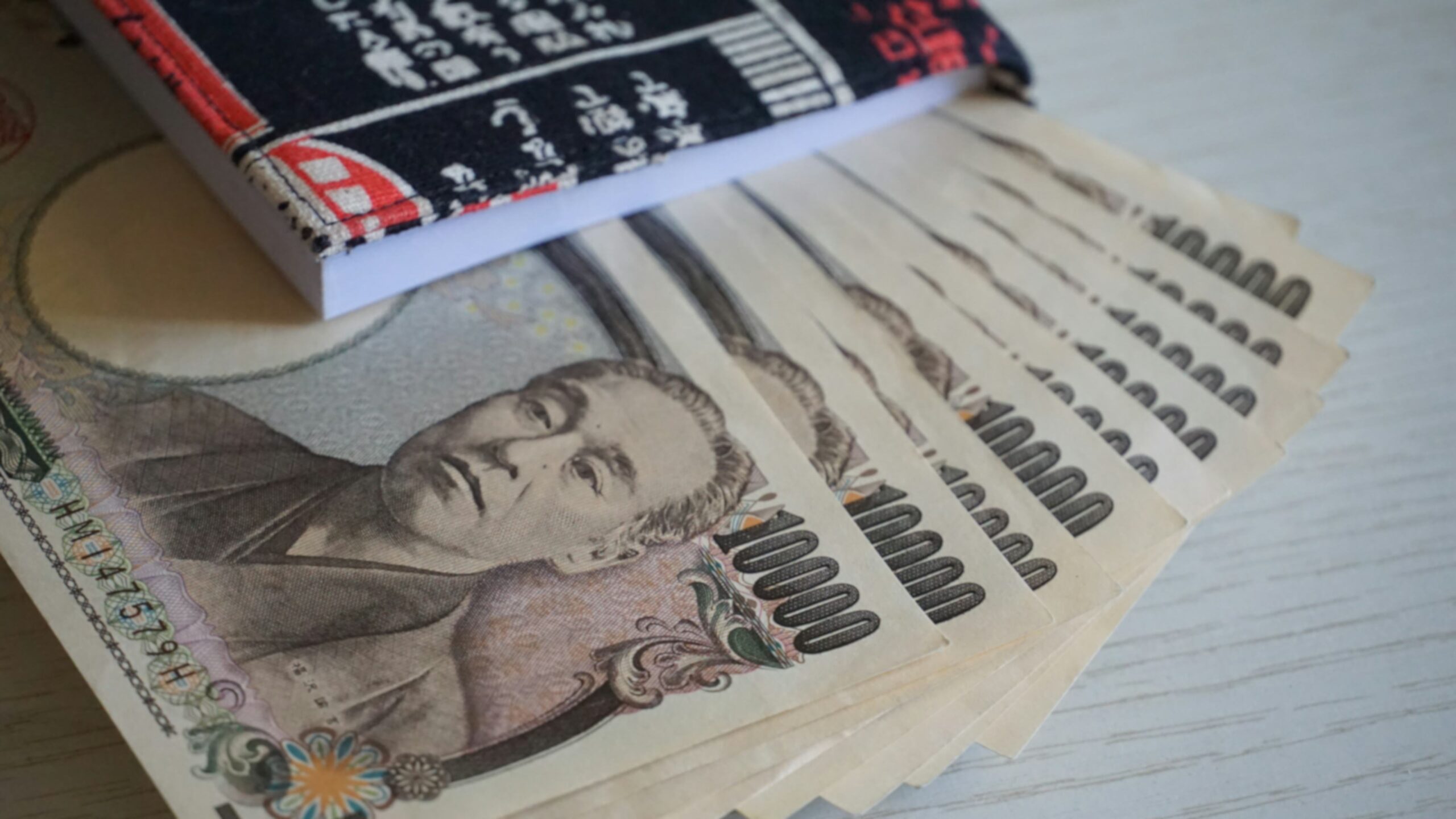
The Japanese yen remained under pressure, with the dollar trading near 158.7 yen after touching 158.95, its strongest level against the Japanese currency since late September. The moves underline how quickly markets have shifted towards pricing tighter US monetary policy following a run of firm economic data.
Key Takeaways
- The dollar index held at 102.22, near a two-week high, after rising about 0.5% on Tuesday.
- US consumer prices rose 0.4% in October, above the 0.3% forecast by economists.
- Futures imply a probability of about 91% for a quarter-point Fed rate hike in December, up from 84% a day earlier.
- The dollar touched 158.95 yen, its highest since late September, as the yen weakened.
Inflation Data Lifts the Dollar
US consumer prices increased by 0.4% in October, compared with economists’ expectations of a 0.3% rise, according to Labor Department data reported by Reuters and CNBC. It was the third consecutive month in which inflation came in stronger than expected, with higher food and accommodation costs among the main contributors.
The dollar index rose by about 0.5% on Tuesday as the data were released and US Treasury yields moved higher. The reaction extended a shift in sentiment that began with strong labour market figures, after traders started betting on a December Fed hike following robust payrolls data. The gains also reversed part of the dollar’s earlier weakness, when the currency slid on the US midterm election results.
Markets Price a December Hike
Fed funds futures now imply a probability of about 91% that the central bank will raise rates by 25 basis points at its December meeting, up from 84% a day earlier, according to the CME Group’s FedWatch tool. Traders also assign a probability of roughly 10% to a larger half-point increase, and a pause has effectively been priced out. Markets are also pricing the possibility of a further increase in the early months of 2027, according to Reuters.
A higher policy rate tends to support the dollar by raising the return available on dollar-denominated assets relative to those in other currencies. That dynamic has been particularly visible against low-yielding currencies, where the gap in interest rates with the United States has widened as expectations for Fed tightening have grown.
Federal Reserve Governor Christopher Waller added to the hawkish tone in a speech in London on Tuesday. He said he was leaning towards supporting a quarter-point increase in December even if inflation improved, and that a 50-basis-point move should be considered if price pressures proved stronger than expected, according to reports by Reuters and Investing.com.
Yen Weakens as Rate Gap Persists
The yen has been among the currencies most exposed to rising US rate expectations, as the gap between US and Japanese borrowing costs continues to favour the dollar. The dollar’s climb towards 159 yen has kept market participants alert to the risk of intervention by Japanese authorities, who have previously acted to support the currency.
Elsewhere, the Australian dollar edged up to around $0.6870 in Asian trading, recovering slightly after falling to a seven-month low in the previous session. The euro and sterling were little changed against the dollar, according to Reuters. Sterling had climbed earlier this month when expectations of a Bank of England rate hike lifted the pound to a seven-week high.
Asian Currencies Steady After Selloff
Most Asian currencies steadied on Wednesday after falling in the previous session in response to the US inflation report, according to Investing.com. Regional currencies had come under broad pressure on Tuesday as the US data pushed investors towards the greenback, with emerging Asian units among those most sensitive to shifts in US rate expectations.
Investors will now look to further US economic releases and comments from Federal Reserve policymakers ahead of the December meeting for confirmation of the policy path. Any signal that officials favour a larger half-point move could extend the dollar’s advance, while the yen’s proximity to 159 is likely to keep attention on possible official action from Tokyo in the coming weeks. More currency coverage is available in our Forex section.