

Skip to content
  • Home
  • Banking
  • Finance
  • Technology
  • FinTech
  • Business
  • Videos
  • Events
  • Awards
  • Magazine
placeholder-661-1.png
  • Home
  • Banking
  • Finance
  • Technology
  • FinTech
  • Business
  • Videos
  • Events
  • Awards
  • Magazine
logo

ECB’s Operational Framework Review: Shaping the Future of Eurozone Monetary Policy

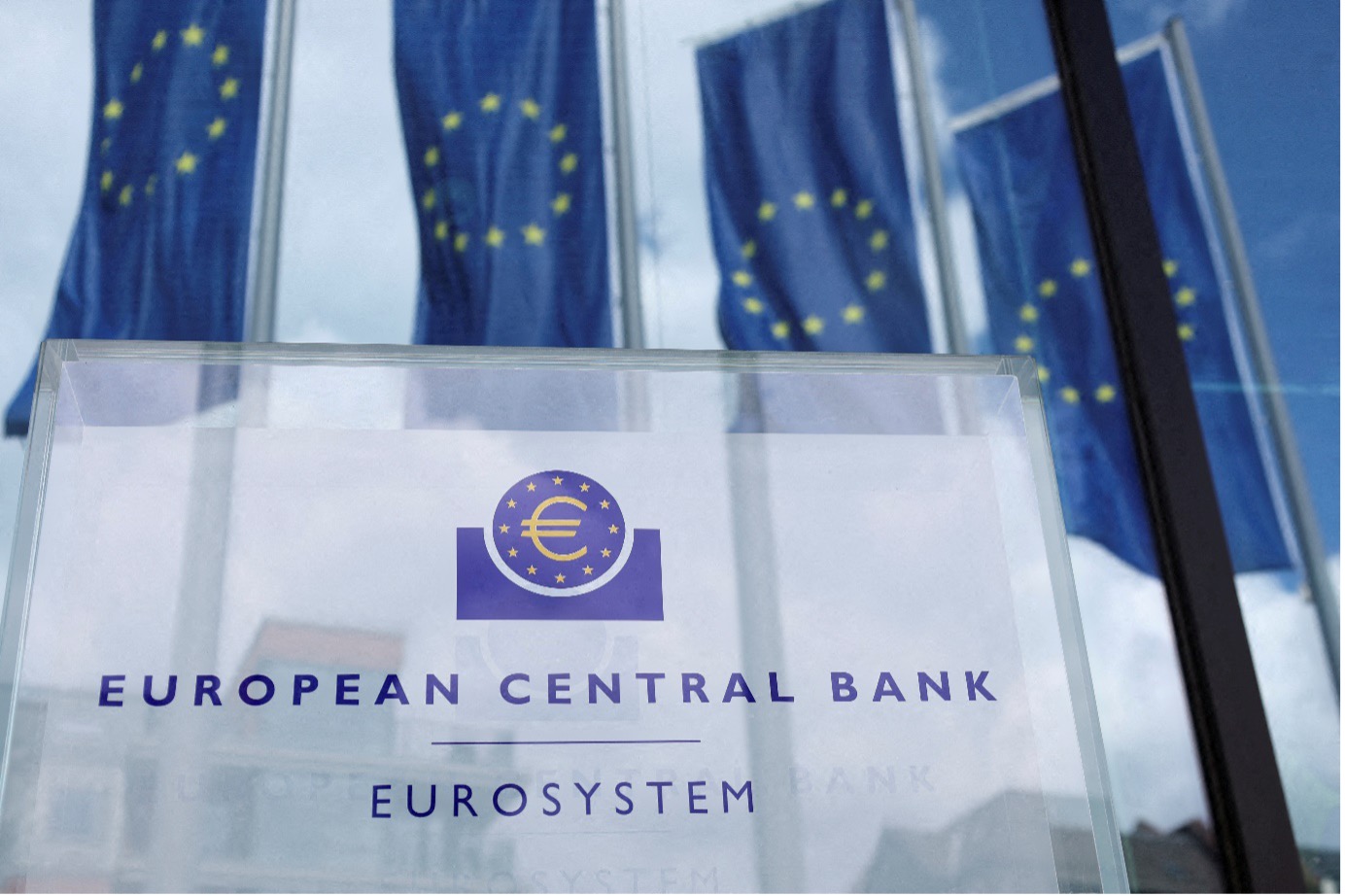
The European Central Bank (ECB) is on the verge of announcing the results of its Operational Framework Review, a significant technical evaluation that will shape the rules governing how it provides liquidity to commercial banks in the foreseeable future. This review holds paramount importance as it determines the mechanisms by which the ECB influences short-term money market rates, thereby facilitating the transmission of monetary policy to banks and the broader economy.

The current operational framework, established over a decade ago, aimed to address the aftermath of the eurozone debt crisis and the persistently low inflation environment by flooding the financial system with liquidity. However, this abundance of cash, amounting to a staggering 3.5 trillion euros in excess liquidity, has become unsustainable amidst the current economic landscape characterized by rapid inflation and elevated interest rates.

YOU MAY ALSO LIKE

The Strategic Institutionalization of the Digital Euro: Analyzing the European Parliament’s Endorsement of Monetary Sovereignty and Payment Infrastructure Autonomy

The Erosion of Hegemony: Analyzing the Strategic Volatility of the U.S. Dollar Amidst Institutional Uncertainty and Global Asset Realignment

Currently, the ECB employs various channels to provide liquidity, including quantitative easing (QE) through bond purchases, Targeted Longer-Term Refinancing Operations (TLTROs), and regular tenders. However, the ECB’s excessive provision of liquidity has led to a situation where banks are reliant on the central bank for funding, effectively stifling interbank lending.

In response to these challenges, the ECB is expected to adopt a “demand-driven floor” system, where banks will specify their borrowing requirements instead of being inundated with liquidity from the central bank. This shift aims to reduce the excess liquidity burden on the ECB while incentivizing banks to resume lending to each other, thereby revitalizing the interbank market.

Furthermore, the ECB is likely to adjust interest rates to narrow the gap between the rate paid on bank deposits and the rate banks must pay to borrow funds from the ECB. This adjustment, coupled with the introduction of a “structural portfolio” comprising bonds and longer-term loans, seeks to maintain adequate liquidity in the system without specifying a fixed balance sheet size.

However, the implementation of these changes will be gradual, spanning several years, as bonds purchased during QE will gradually expire, and excess liquidity in the banking sector is not expected to normalize until 2029. Additionally, there is reluctance to sell these bonds to expedite the process due to the potential for significant losses.

Overall, the ECB’s Operational Framework Review represents a critical juncture in shaping the future of monetary policy operations in the eurozone. By recalibrating its liquidity provision mechanisms, the ECB aims to navigate the challenges posed by the current economic environment while ensuring the efficient functioning of the financial system and the transmission of monetary policy.


Tags: ECBEurozonefinance

Leave a Reply Cancel reply

Your email address will not be published. Required fields are marked *

Search

No Result
View All Result

Recent News

The Ascendance of Sovereign Intelligence: Analyzing Anthropic’s Multi-Billion Dollar Capital Infusion and the Strategic Valuation of Enterprise Automation

The Strategic Calibration of Consumer Finance: Analyzing Citigroup’s 2026 Growth Projections and the Implications of Regulatory Interest-Rate Caps

The Strategic Institutionalization of the Digital Euro: Analyzing the European Parliament’s Endorsement of Monetary Sovereignty and Payment Infrastructure Autonomy

The Strategic Realignment of Sovereign Wealth: Analyzing Saudi Arabia’s Public Investment Fund 2026–2030 Blueprint

The Strategic Stabilization of Monetary Policy: Analyzing the Reserve Bank of India’s Rate Neutrality Amidst Global Trade Realignment

The Strategic Institutionalization of Synthetic Content Oversight: Analyzing the Development of the United Kingdom’s Deepfake Detection Evaluation Framework

Global Business Review is a online print magazine focusing on the updates and information about on emerging markets, Finance, Banking, Technology. Global Business Review provides news, features, analysis, commentary, and interviews from industry across the globe.

Recent News

The Ascendance of Sovereign Intelligence: Analyzing Anthropic’s Multi-Billion Dollar Capital Infusion and the Strategic Valuation of Enterprise Automation

The Strategic Calibration of Consumer Finance: Analyzing Citigroup’s 2026 Growth Projections and the Implications of Regulatory Interest-Rate Caps

The Strategic Institutionalization of the Digital Euro: Analyzing the European Parliament’s Endorsement of Monetary Sovereignty and Payment Infrastructure Autonomy

The Strategic Realignment of Sovereign Wealth: Analyzing Saudi Arabia’s Public Investment Fund 2026–2030 Blueprint

The Strategic Stabilization of Monetary Policy: Analyzing the Reserve Bank of India’s Rate Neutrality Amidst Global Trade Realignment

Categories

  • Banking
  • Business
  • Events
  • Finance
  • Blogs
  • Fintech
  • Forex
  • Insurance
  • Technology
  • Videos

Social Media

COPYRIGHT © 2020-2026 GLOBAL BUSINESS REVIEW MAGAZINE LLC - ALL RIGHTS RESERVED

  • About Us
  • Contact Us
  • Advertise With Us
  • Leadership report
  • Privacy Policy
  • Disclaimer
  • Terms & Conditions
  • Nominate Now
No Result
View All Result
  • Home
  • Banking
  • Finance
  • Technology
  • FinTech
  • Business
  • Videos
  • Events
  • Awards
  • Magazine

Copyright © 2025 Global Business Review Magazine - All Rights Reserved.