

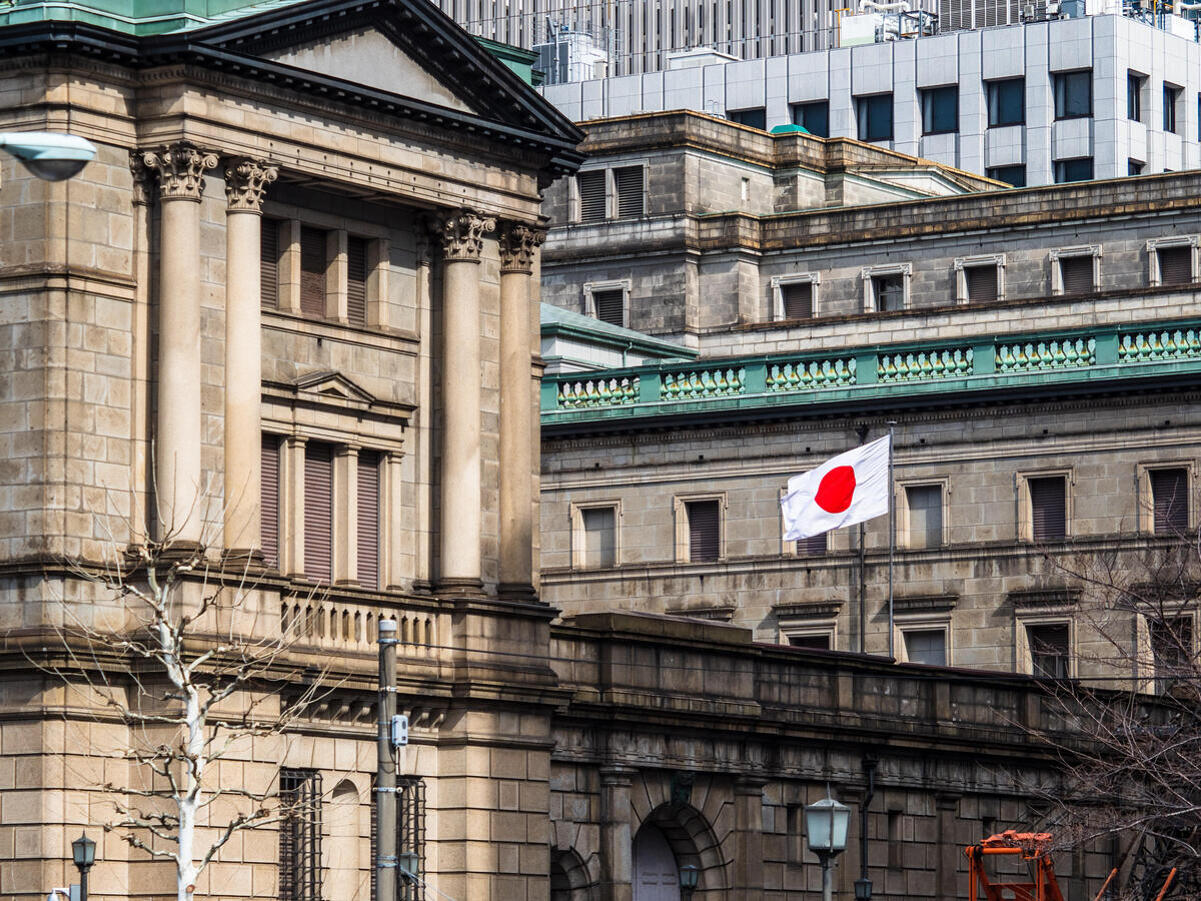
After the Bank of Japan’s (BOJ) effort to buy itself some breathing room backfired, encouraging bond investors to try its resolve, the central bank is under fire to alter its policy on interest rates as soon as Wednesday.
The BOJ maintains its decades-long effort to fuel price increases in the third-largest economy in the world even though inflation has surpassed the bank’s target rate, in contrast to other central banks that have vigorously increased rates to combat inflation.
The BOJ last month stunned markets by increasing its ceiling on the 10-year yield to about 0.5% from 0.25%, expanding the band it might be allowed above or below its aim of zero as investors drove up Japanese government bond yields and tested the YCC policy of the central bank.
The possibility of an early end to YCC could increase if the bond market function continues to worsen before the BOJ’s policy meeting, according to longtime BOJ observer Naomi Muguruma, a chief bond strategist at the renowned Mitsubishi UFJ Morgan Stanley Securities.
The rapid adjustment in December was intended to prolong the BOJ’s attempt to manage interest rates along the curve until they could determine whether recent wage increases would spread across the country and Governor Haruhiko Kuroda’s replacement assumed office in April.
According to five people familiar with the bank’s thinking, they thought that the BOJ could then plan a methodical unwinding of YCC underneath a new leader, only acting when wages were increasing enough to sustainably keep inflation around the bank’s 2% target.
Instead, the BOJ’s modification sparked a wave of anticipation that a significant change was just around the corner.
A little over a month later, all the bond sellers breached the 0.5% yield cap on Friday, requiring the BOJ to buy bonds in an urgency to lower the rate.
The BOJ on Monday announced intentions to carry out further, emergency bond purchases as a demonstration of its resolve to protect the yield cap.
In Japan, salaries are still low. One source stated at the beginning of the year that policy normalisation is far from final, and two other sources agreed.
Given that they are now prohibited from discussing policy, it was unclear what policymakers were thinking before the two-day session on Tuesday.
However, it is evident that the BOJ’s strategy is failing.
Private economists concur with Kuroda that inflation severity will eventually decelerate back towards the BOJ’s target late this year as a result of the decline in the price of commodities globally.
Analysts predict that since Kuroda surprised markets with the December decision, markets will not likely accept his assurances that interest rates will stay low.
This week, investors are factoring in a change, placing wagers on the BOJ boosting the top of the 10-year goal band to 0.75%, increasing the band’s centre point from zero, or abandoning the objective altogether.
The BOJ is stuck. Additional cosmetic changes might only raise market expectations for a rate hike soon.
Raising the yield objectives, however, would go against its justification, based on the idea that higher wage growth must precede increasing inflation before YCC can be overhauled or phased out.
This week, a lot will rely on whether the board decides that the market distortions are severe enough to call for further action.
Before Friday’s market crash, a second source expressed the view that if yield curve abnormalities are not corrected, the BOJ must evaluate what further it can do.
This view was mirrored by a third source.
The board was already seen considering whether to continue its practice of aiming the 10-year yield around zero, adding a negative 0.1% per cent to a small pool of surplus reserves parked at the BOJ, and retaining the target yield band it expanded on December 20.