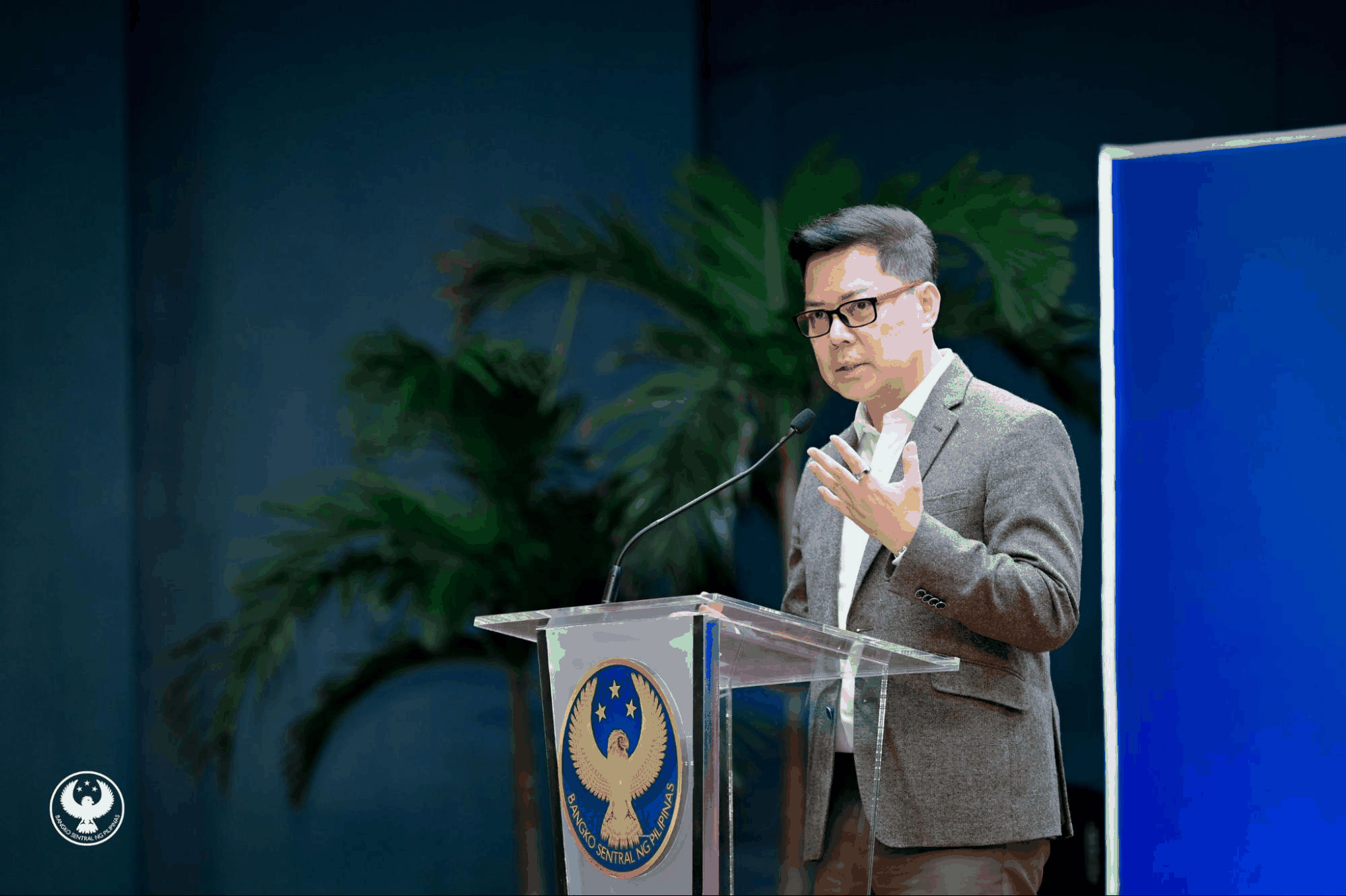




The Reserve Bank of India (RBI) has rejected Tata Sons’ request to deregister as a core investment company, according to two sources familiar with the matter. The decision could bring the holding company closer to a stock market listing, after it sought to avoid rules that may require it to go public.
The RBI, which serves as India’s central bank and banking regulator, communicated its decision in a letter on Saturday, September 12, the sources said. They spoke on condition of anonymity because they were not authorised to discuss the matter with the media.
Tata Sons, the more than century-old holding company of the Tata Group, had applied to the RBI to surrender its status as a core investment company. The company has historically remained privately held and has sought to maintain that structure.
However, its classification places it under RBI regulations governing non-bank lenders. Under those rules, companies with assets above 1 trillion rupees ($10.45 billion), or those with direct or indirect access to public funds, are required to list.
Tata Sons’ standalone assets stood at 1.75 trillion rupees as of March 2025, putting the company above the asset threshold specified under the regulations.
The RBI’s rejection therefore leaves Tata Sons facing continued pressure over a potential public offering. The company has remained unlisted so far, but calls for a listing have increased during 2026. Among those pushing for greater movement toward a public listing is the Shapoorji Pallonji Group, the second-largest shareholder in Tata Sons.
Tata Sons controls several of India’s best-known businesses, including Tata Consultancy Services, Tata Motors and Tata Steel, as well as Air India. Because of its position as the group’s principal holding company, any decision concerning its ownership structure or listing would have implications across the wider Tata business empire.
The latest development comes at a period of uncertainty for the conglomerate. Last month, Tata Sons announced that its chairman, N. Chandrasekaran, would not seek another term. His decision added to questions surrounding the group’s leadership and governance.
Chandrasekaran attributed his decision to a lack of support from the board. His announcement followed months of tensions with Tata Trusts, the charitable organisation that holds a 66% stake in Tata Sons.
Tata Trusts is the largest shareholder in Tata Sons, making its relationship with the holding company particularly significant as the group considers its future direction.
The RBI decision also comes against the backdrop of Tata Sons’ longstanding effort to remain outside public markets. A stock market listing would mark a major change for the holding company and could increase scrutiny of its operations and financial position.
Neither the RBI nor Tata Sons immediately responded to requests for comment. Emails sent to Tata Trusts, the largest shareholder in Tata Sons, also received no response.
For now, the RBI’s refusal to deregister Tata Sons as a core investment company leaves the holding company subject to the regulatory framework that has raised the possibility of a listing. While the decision does not itself constitute a public offering, it increases the pressure on Tata Sons to address the requirements associated with its current regulatory status.
The development adds another important issue to a year already marked by questions over Tata Sons’ ownership, governance and leadership. With the company’s assets exceeding the regulatory threshold and shareholders continuing to push for a listing, its long-standing private status faces greater scrutiny.
As Tata Sons weighs its next steps, the RBI’s decision represents a significant setback to its attempt to avoid the public-listing route and leaves the possibility of one of India’s largest potential IPOs firmly in focus.