

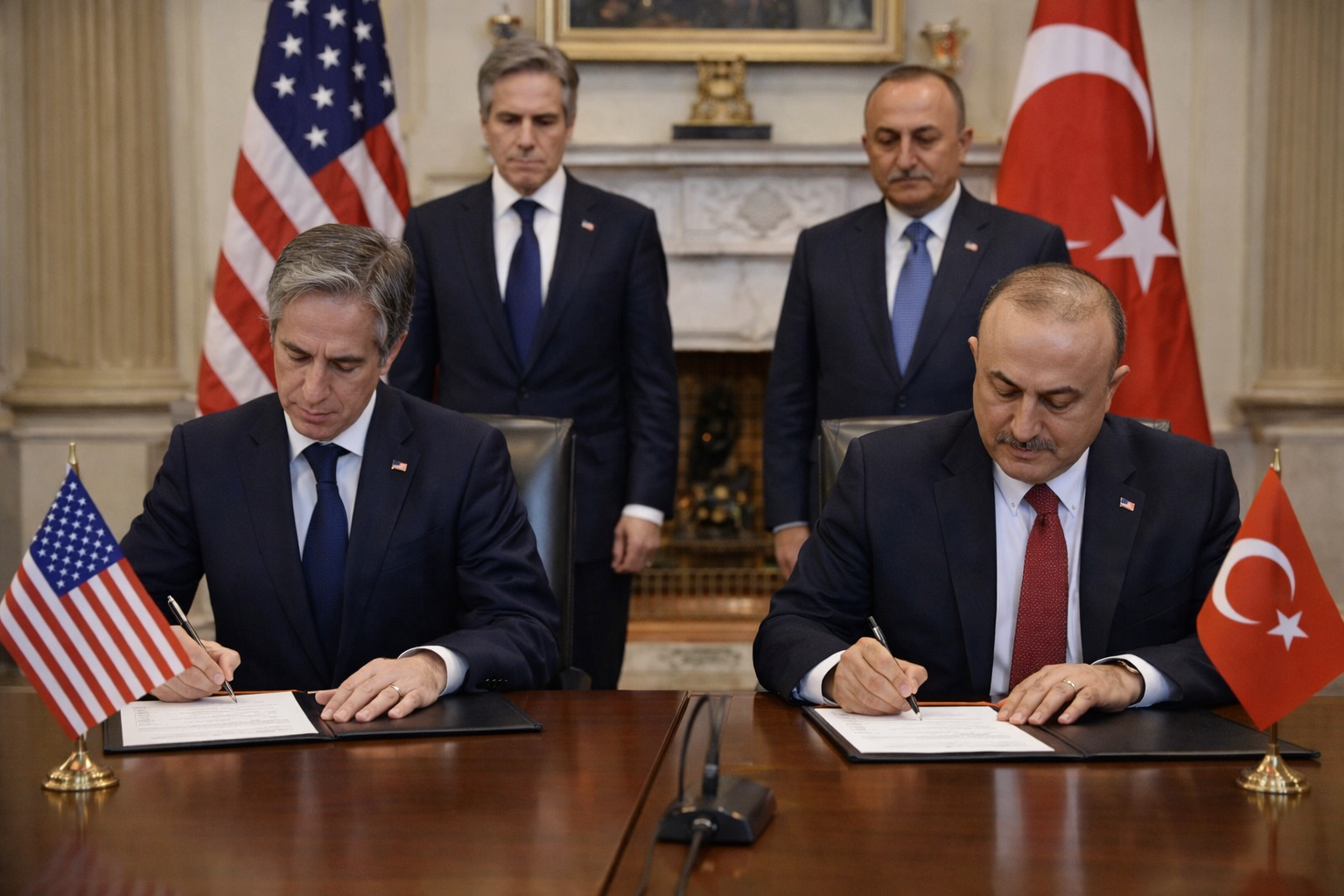
A significant shift in the legal and diplomatic landscape between the United States and Turkey was documented on Monday, March 9, 2026, as a deferred prosecution agreement was filed in Manhattan federal court to resolve the long-standing criminal case against the Turkish state-run lender, Halkbank. It was articulated by the United States government that the accord serves the compelling national security interest of curbing financial support for the Government of Iran and combatting the financing of global terrorism. This development, pending the formal approval of U.S. District Judge Richard Berman, is perceived as the removal of a primary irritant in the bilateral relationship between the two NATO allies, who are currently experiencing their most robust diplomatic ties in several decades following the return of Donald Trump to the American presidency.
The years-long legal saga originated from allegations that Halkbank facilitated the evasion of American economic sanctions by secretly transferring approximately $20 billion in restricted Iranian funds. It was previously alleged by U.S. prosecutors that oil revenue was converted into gold and cash to benefit Iranian interests, with fake food shipments being documented to justify the transfer of proceeds through front companies in Turkey and the United Arab Emirates. While Turkish President Tayyip Erdogan had once characterized the prosecution as an unlawful and “ugly” intervention, the current agreement provides a path for the complete dismissal of charges without the exchange of financial penalties. Under the terms of the filing, the bank is strictly forbidden from entering into future transactions that benefit Iran and is required to appoint an independent monitor to oversee its sanctions and anti-money-laundering compliance protocols.
The announcement of the agreement had an immediate and profound impact on the Turkish financial markets. On Monday, Halkbank’s Istanbul-traded shares were observed to have appreciated by 10%, reaching the maximum permitted daily increase for that exchange. This market reaction is viewed as a reflection of investor relief following the closure of a costly legal chapter that had previously clouded the bank’s international standing. Analysts from Strategic Advisory Services have noted that the resolution appears to be part of a broader effort by the Trump and Erdogan administrations to steadily clear major disputes from the U.S.–Turkey agenda, particularly as the region navigates the complexities of the ongoing U.S.-Israeli war with Iran.
The path to this resolution was documented as being highly circuitous, involving multiple appeals and two separate reviews by the U.S. Supreme Court. In 2023, the judicial body initially considered whether the Foreign Sovereign Immunities Act shielded the state-owned lender from criminal prosecution, ultimately determining that the desire of Congress to protect foreign instrumentalities from civil liability did not extend to criminal cases. Subsequent appeals centered on centuries-old common law immunity were also dismissed, allowing the prosecution to proceed until the current deferred agreement was reached. Legal experts have noted that while the agreement requires judicial approval, U.S. judges generally possess limited discretion to reject such settlements unless they deviate significantly from established precedent.
The resolution of the Halkbank case is also inextricably linked to a series of high-profile criminal trials, including those of Turkish-Iranian gold trader Reza Zarrab and former bank executive Mehmet Hakan Atilla. Zarrab, who pleaded guilty in 2017, provided testimony regarding the mechanics of the alleged sanctions-evasion scheme, while Atilla was convicted in 2018 and subsequently returned to Turkey after serving a prison term. Despite the bank’s formal entry into the deferred prosecution agreement, it was maintained in a statement by Halkbank that no criminal wrongdoing is being admitted. Instead, the agreement is presented as a mechanism to modernize compliance standards and ensure that the bank’s operations remain aligned with international regulatory requirements.
The broader geopolitical implications of the deal are significant, occurring at a time when the United States is seeking to consolidate its alliances in the Middle East. By resolving a dispute that once saw a Turkish official propose a $100 million settlement during a White House summit, the two nations have reinforced a strategic partnership that is increasingly focused on regional stability. The appointment of a monitor to review the bank’s compliance is intended to serve as a long-term safeguard, ensuring that the financial architecture of the NATO alliance is not utilized to circumvent the restrictive measures imposed on the Iranian government.
Ultimately, the 2026 narrative for Halkbank is one of legal closure and institutional reset. The transition from a state of criminal indictment to one of monitored compliance represents a pragmatic compromise that prioritizes national security and diplomatic cohesion over prolonged litigation. As the monitoring period commences, the focus of the international financial community will remain on the bank’s ability to adhere to the stringent conditions of the agreement, while the political focus will remain on the continued warming of ties between Washington and Ankara in an increasingly volatile global environment.