


A major legal challenge was lost on Thursday by Alphabet’s subsidiary, Google, as a record-setting financial penalty originally levied by European Union antitrust regulators eight years ago was upheld by the highest court in Europe. The definitive judicial ruling is widely anticipated by legal experts to provide substantial momentum to the ongoing regulatory crackdown against major technology conglomerates across the European continent. The initial punitive action had been orchestrated by the European Commission in 2018, culminating in the imposition of a €4.34 billion fine. This penalty had been issued following a determination that anticompetitive agreements had been systematically utilized by the technology giant to compel mobile device manufacturers into pre-installing the Google Search application, the Chrome internet browser, and the Google Play application marketplace onto Android mobile devices. Furthermore, the hardware manufacturers had been effectively barred from utilizing alternative or competing forks of the Android operating system.
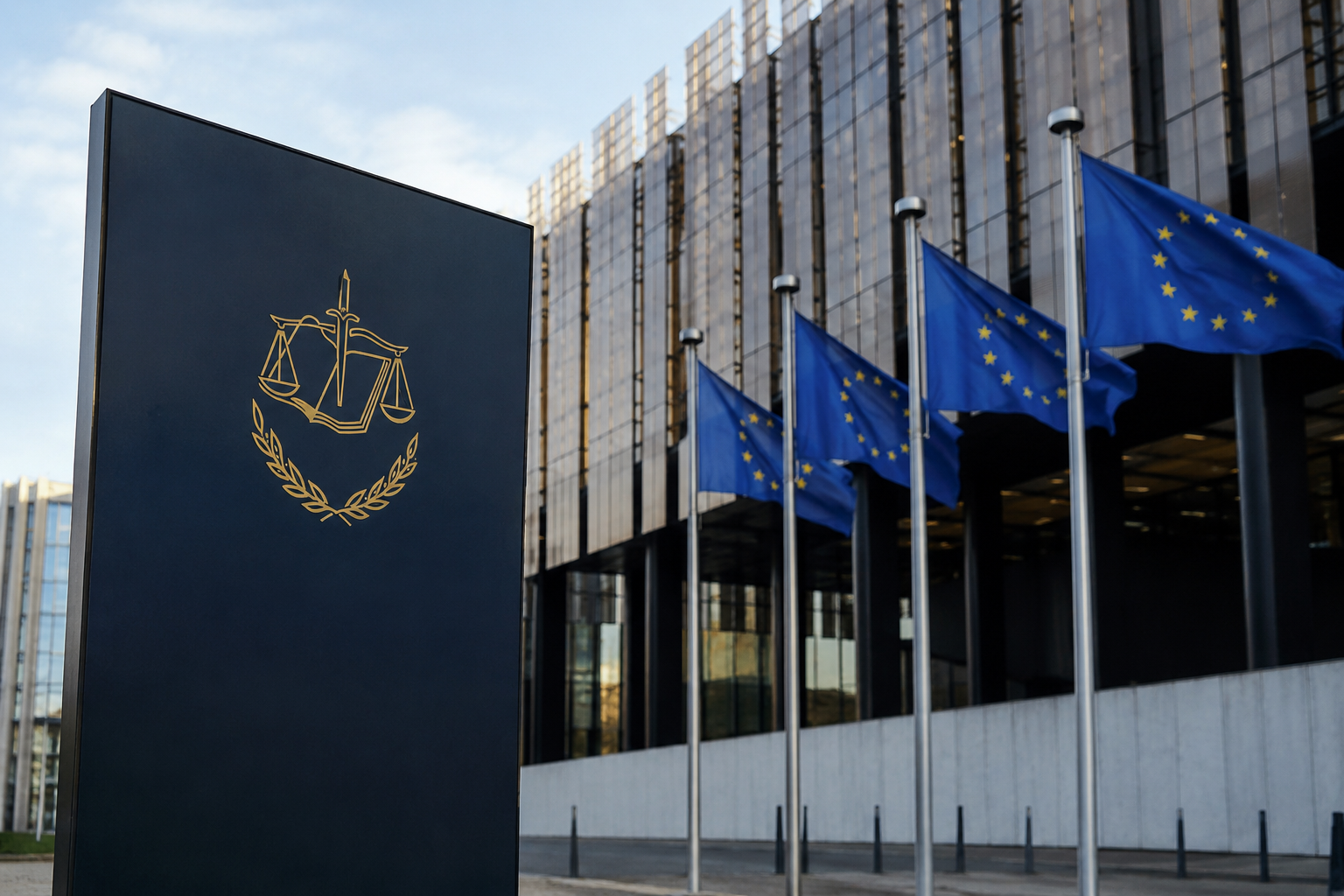
Following an initial legal challenge mounted by the operator of the world’s most widely utilized search engine, the financial sanction was subsequently adjusted downward to €4.1 billion by a lower European tribunal in 2022. Dissatisfied with the partial reduction, a final appeal was lodged by Google and its parent corporation, Alphabet, with the Luxembourg-based Court of Justice of the European Union, which serves as the supreme judicial authority for the bloc. Ultimately, the arguments presented by the European Union’s antitrust enforcement division were favored by the presiding magistrates. It was declared by the judiciary that the appeal brought forth by the corporate entities was officially dismissed, thereby validating the structural penalty previously imposed for the documented abuse of a dominant market position within the ecosystem of the Android operating system.
In response to the judicial outcome, it was contended by a corporate spokesperson that the capital investments made by the organization to ensure that the Android platform remained open, interoperable, and entirely free of cost had been disregarded by the court’s final judgment. It was further asserted by the company that the operational agreements governing partnerships with hardware manufacturers had already been modified as early as 2018 in order to establish compliance with the parameters of the original regulatory decree. A continued corporate focus on technical innovation and digital openness for consumers, business partners, and software developers was emphasized as the primary path forward for the enterprise.
The validation of this particular case adds to a broader pattern of regulatory friction, as cumulative fines approaching €11 billion have been accumulated by Google over the past several decades as a direct result of diverse antitrust infringements within the European jurisdiction. Furthermore, the likelihood of additional financial penalties being levied in the near future was noted by industry analysts, driven by ongoing regulatory investigations into allegations that proprietary services and corporate products have been unfairly favored within internet search results. Additional scrutiny is also being directed toward commercial practices associated with the operation of the digital application store. Both areas of contention are currently being evaluated under the strict legislative framework of the Digital Markets Act, an expansive statute specifically enacted for the purpose of curtailing the market dominance and operational power of the world’s largest technology corporations. The historic legal proceedings were formally recorded under the case designation C-738/22 P, Google and Alphabet v. Commission.