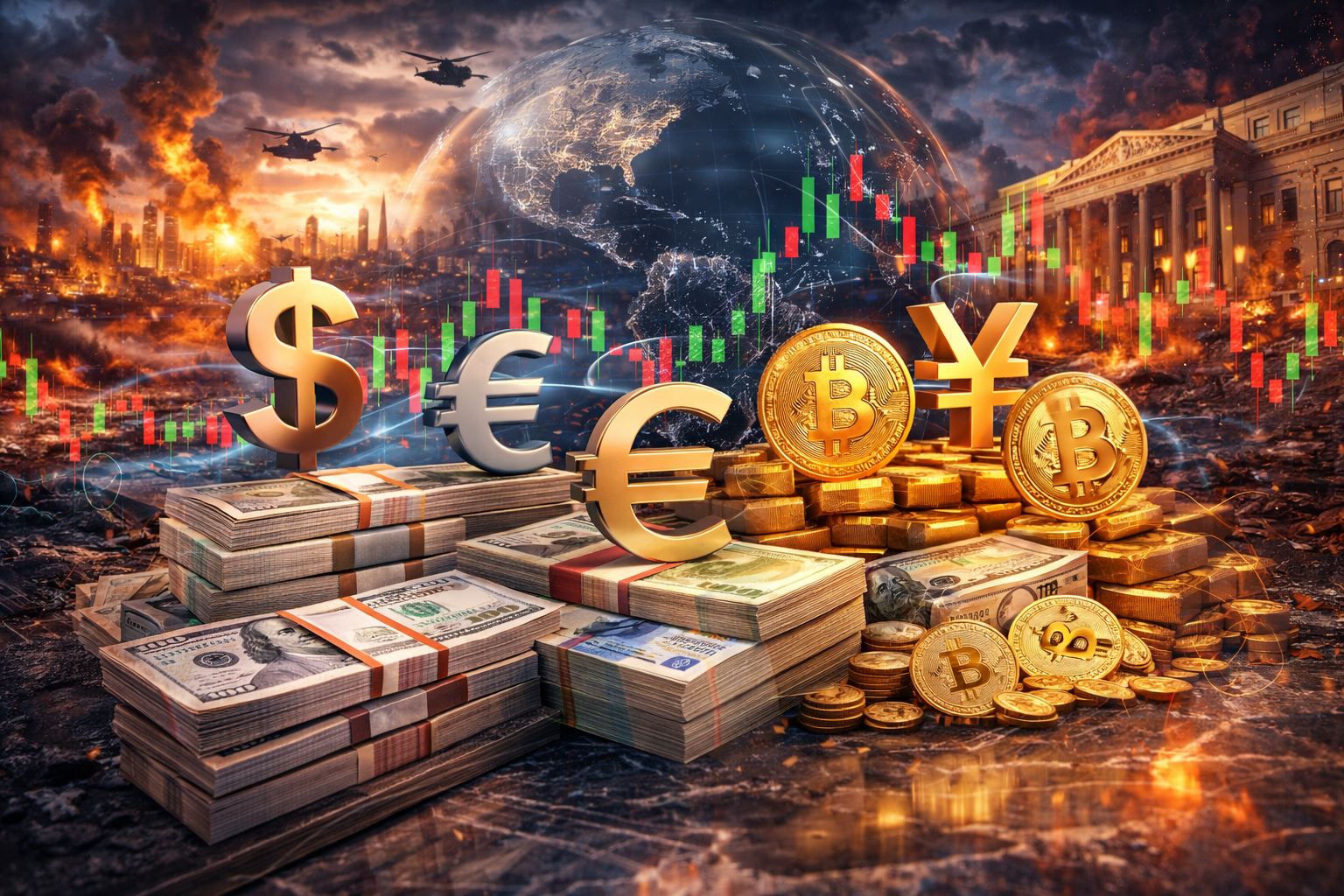


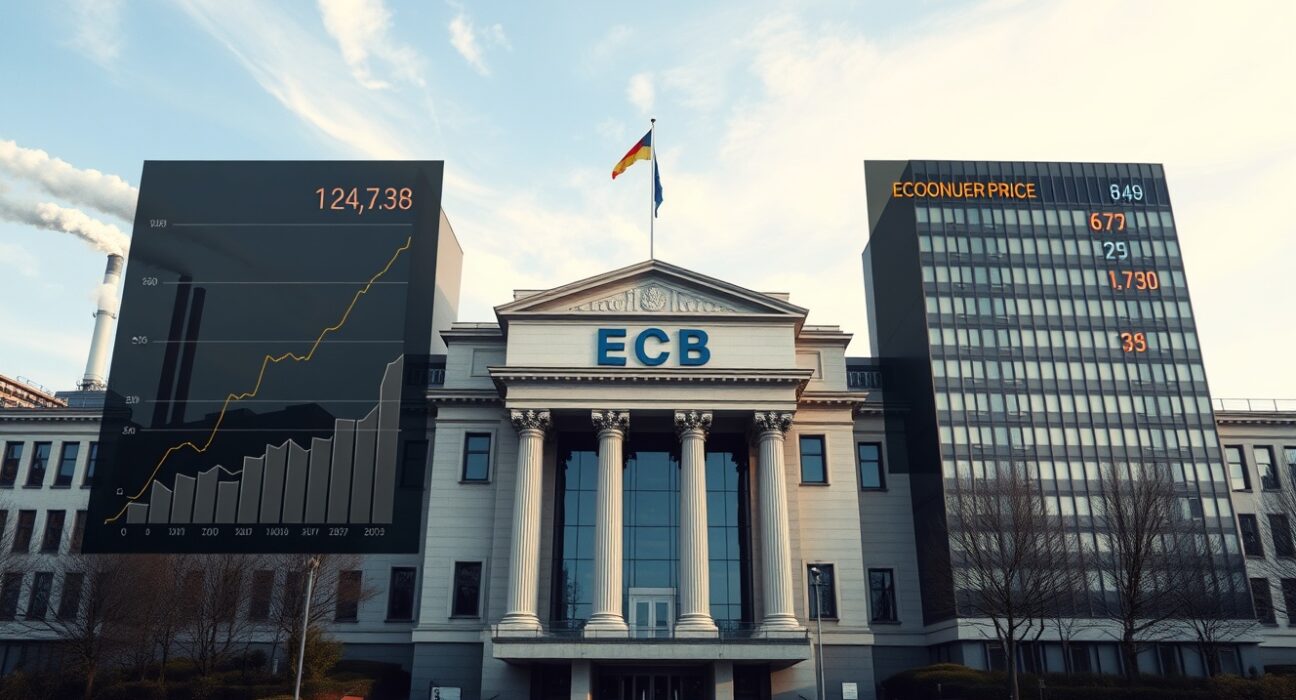
A significant shift in the collective expectations for European monetary policy has been observed in recent weeks, as detailed by a comprehensive survey of economists. While the predominant consensus remains that the European Central Bank will maintain interest rates at their current levels throughout 2026, a growing minority of experts now anticipates at least one rate hike within the year. This transition in sentiment is primarily attributed to a war-driven energy shock, which has necessitated a broad upward revision of inflation forecasts across the continent. The current state of professional opinion stands in notable contrast to the more aggressive positioning of financial markets, where participants have begun to price in approximately three rate increases by year-end. This market volatility has been fueled by the geopolitical tensions in the Middle East and the subsequent blockade of a critical transport corridor, an event that has resulted in a surge in oil prices of roughly 40%.
The institutional memory of the inflationary spike following the 2022 invasion of Ukraine remains a significant factor in current deliberations. The perceived delay in the initial response by the European Central Bank during that period appears to have influenced a more hawkish tone among contemporary policymakers. Following a decision to hold rates steady last week, official communications have hinted at a potential readiness for “measured adjustments” of policy. It has been suggested by leadership that such actions may be warranted to address an inflation overshoot that is currently characterized as large, even if it is not expected to be excessively persistent.
The statistical distribution of expert opinion reveals that nearly two-thirds of surveyed economists continue to support the view that the deposit rate will remain at 2% for the duration of the year. Although this reflects a decrease from the near-unanimous consensus observed only two weeks prior, it suggests a degree of skepticism regarding the permanence of the current price shocks. The prevailing baseline scenario among many analysts is founded on the assumption that the energy price surge will eventually be classified as temporary. Under such conditions, it is argued that the central bank would be permitted to remain on hold. However, it is widely acknowledged that if the conflict and its impact on energy markets do not stabilize by mid-year, the necessity for active rate hikes will become increasingly difficult to avoid.
The probability of an immediate rate adjustment in April is currently regarded as extremely low by the majority of macro research specialists. While exogenous political factors and international policy shifts are acknowledged as potential sources of disruption, the likelihood of a near-term hike is estimated at less than 5% by prominent analysts. Among the minority who do anticipate tightening this year, opinions are largely divided between one and two incremental increases. Some individual forecasts for interest rate levels have been elevated by as much as 125 basis points since previous polling cycles, reflecting the high degree of uncertainty currently permeating the Eurozone.
Furthermore, recent surveys of private sector business activity have indicated that input costs have ascended to multi-year highs. This data is accompanied by a recorded decline in consumer confidence, which has reached its lowest point since late 2023. These economic pressures have triggered a notable sell-off in both equity and bond markets as investors grapple with the dual threats of rising costs and slowing growth. The primary challenge for the central bank is identified as the management of inflation expectations and the prevention of so-called “second-round effects,” where rising prices begin to dictate wage demands and further consumption patterns. It is suggested that policymakers will seek to implement the minimum degree of tightening necessary to anchor expectations near the 2% target without causing undue harm to regional growth.
The magnitude of the required adjustments is evidenced by the sharp revisions to inflation forecasts. After a recorded rate of 1.9% in February, it is now projected that inflation will average approximately 3.0% over the coming quarter, with sustained levels of 2.8% anticipated for the remainder of the year. These figures represent a significant escalation from the projections made in earlier surveys. As the second quarter of 2026 approaches, the focus of the global financial community will remain on whether these energy-driven pressures prove to be a transitory phenomenon or the catalyst for a more prolonged era of restrictive monetary policy in Europe.