

Skip to content
  • Home
  • Banking
  • Finance
  • Technology
  • FinTech
  • Business
  • Videos
  • Events
  • Awards
  • Magazine
placeholder-661-1.png
  • Home
  • Banking
  • Finance
  • Technology
  • FinTech
  • Business
  • Videos
  • Events
  • Awards
  • Magazine
logo

The role of sustainable reporting in 2021

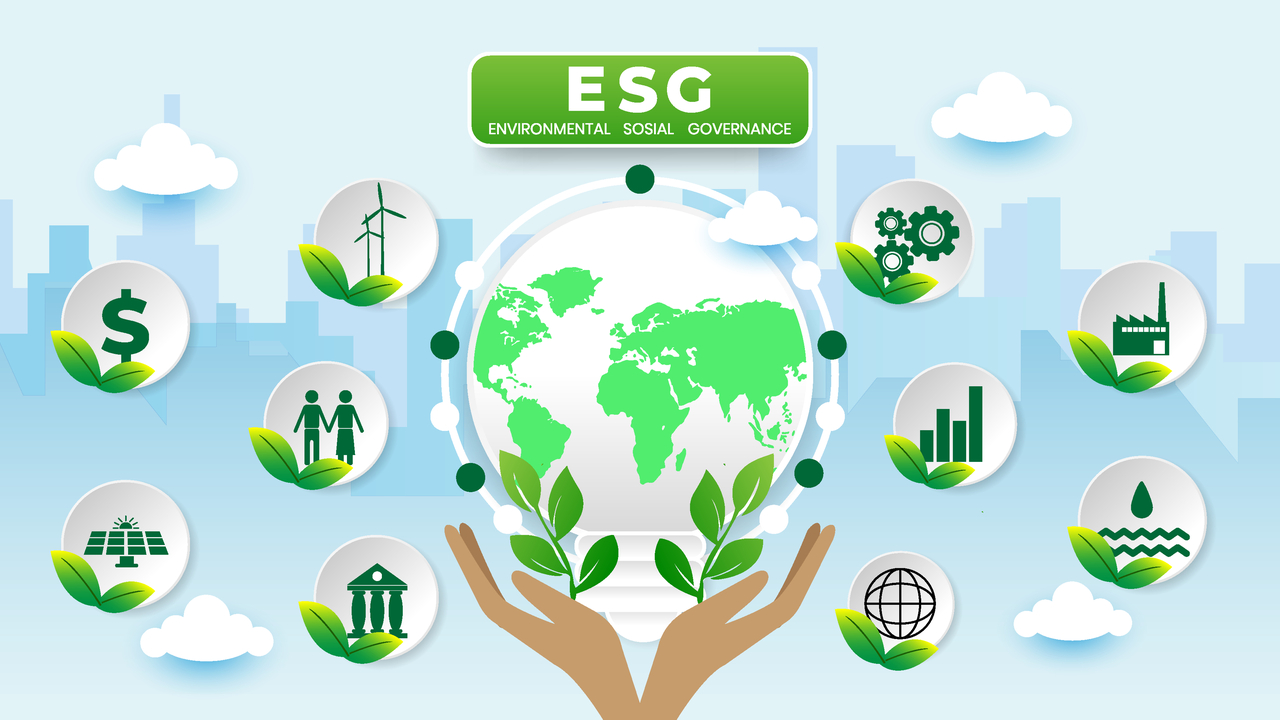
The last 20 years have seen a greater focus on the non-financial aspects of business such as social value, environment, CSR (Corporate Social Responsibility) or ESG (Environmental Social and Governance) agenda. These have pushed organizations to a balanced approach to strategy, growth and investment. The UK Government set the ambition of achieving net-zero carbon by 2050. Many organisations recognised their role for this in influencing the emissions from their value chain.

Increase in healthy competition and awareness driven both organisational ESG responsibilities and consumer demand factors. This is increasingly important to establish a clear process and mechanism for sustainability and carbon reporting. An integrated approach to sustainability reporting is the way for organisations to provide a strategic picture. ETL encourages organisations to be optimistic and innovative and also to think beyond current reporting. Sustainability reporting respond to industry policy, legislation and demands, and also enables greater transparency in reporting, creating trust among stakeholders.

YOU MAY ALSO LIKE

The Strategic Expansion of Vietnamese Aviation: Analyzing the Multi-Billion Dollar Boeing Acquisitions Amidst Evolving Transatlantic Trade Relations

The Strategic Calibration of Consumer Finance: Analyzing Citigroup’s 2026 Growth Projections and the Implications of Regulatory Interest-Rate Caps

Range of reporting methodologies are used across sectors available Scope 1, 2 and 3 emissions. Organisations instead of deterring them, should start somewhere to establish clear metrics/KPIs. There has been a greater focus and understanding of supply chain processes and the significance of their environmental impact over the past year. Furthermote, It is recommended for industries to move towards more standardised reporting frameworks. So that this can enable cross-sector benchmarking and easy identification of missing/inaccurate data.

ETL recognises that progress reporting is vital to maintain the momentum of an organisation’s sustainability program. The reports must fulfil certain criteria across multiple factors to be accessible and effective such as the context, tone, diversity, personal, honesty, culture etc.,

Despite the growing focus on carbon, reports should acknowledge and measure ESG performance. So that the dots between business activities can be connected and social value can be delivered to stakeholders. The finance function still holds the keys to the shifting emphasis to the balanced scorecard. Data is the commodity that drives value in all decisions, which need to be based upon sound underpinnings. The finance function shoulders the corporate responsibility to provide robust disclosure.


Tags: businessCorporate Social ResponsibilityEnvironmental Social and Governance

Leave a Reply Cancel reply

Your email address will not be published. Required fields are marked *

Search

No Result
View All Result

Recent News

The Strategic Expansion of Vietnamese Aviation: Analyzing the Multi-Billion Dollar Boeing Acquisitions Amidst Evolving Transatlantic Trade Relations

The Strategic Calibration of Global Fiscal Oversight: Analyzing the 2026 Revisions to the European Union’s List of Non-Cooperative Tax Jurisdictions

A Strategic Alignment in India’s Gold Lending Sector: Analyzing the Regulatory Sanction of Bain Capital’s Joint Control over Manappuram Finance

Navigating the Threshold of Stability: An Analysis of Switzerland’s Near-Zero Inflation and the Strategic Challenges Facing the Swiss National Bank

The Ascendance of Sovereign Intelligence: Analyzing Anthropic’s Multi-Billion Dollar Capital Infusion and the Strategic Valuation of Enterprise Automation

The Strategic Calibration of Consumer Finance: Analyzing Citigroup’s 2026 Growth Projections and the Implications of Regulatory Interest-Rate Caps

Global Business Review is a online print magazine focusing on the updates and information about on emerging markets, Finance, Banking, Technology. Global Business Review provides news, features, analysis, commentary, and interviews from industry across the globe.

Recent News

The Strategic Expansion of Vietnamese Aviation: Analyzing the Multi-Billion Dollar Boeing Acquisitions Amidst Evolving Transatlantic Trade Relations

The Strategic Calibration of Global Fiscal Oversight: Analyzing the 2026 Revisions to the European Union’s List of Non-Cooperative Tax Jurisdictions

A Strategic Alignment in India’s Gold Lending Sector: Analyzing the Regulatory Sanction of Bain Capital’s Joint Control over Manappuram Finance

Navigating the Threshold of Stability: An Analysis of Switzerland’s Near-Zero Inflation and the Strategic Challenges Facing the Swiss National Bank

The Ascendance of Sovereign Intelligence: Analyzing Anthropic’s Multi-Billion Dollar Capital Infusion and the Strategic Valuation of Enterprise Automation

Categories

  • Banking
  • Business
  • Events
  • Finance
  • Blogs
  • Fintech
  • Forex
  • Insurance
  • Technology
  • Videos

Social Media

COPYRIGHT © 2020-2026 GLOBAL BUSINESS REVIEW MAGAZINE LLC - ALL RIGHTS RESERVED

  • About Us
  • Contact Us
  • Advertise With Us
  • Leadership report
  • Privacy Policy
  • Disclaimer
  • Terms & Conditions
  • Nominate Now
No Result
View All Result
  • Home
  • Banking
  • Finance
  • Technology
  • FinTech
  • Business
  • Videos
  • Events
  • Awards
  • Magazine

Copyright © 2025 Global Business Review Magazine - All Rights Reserved.