



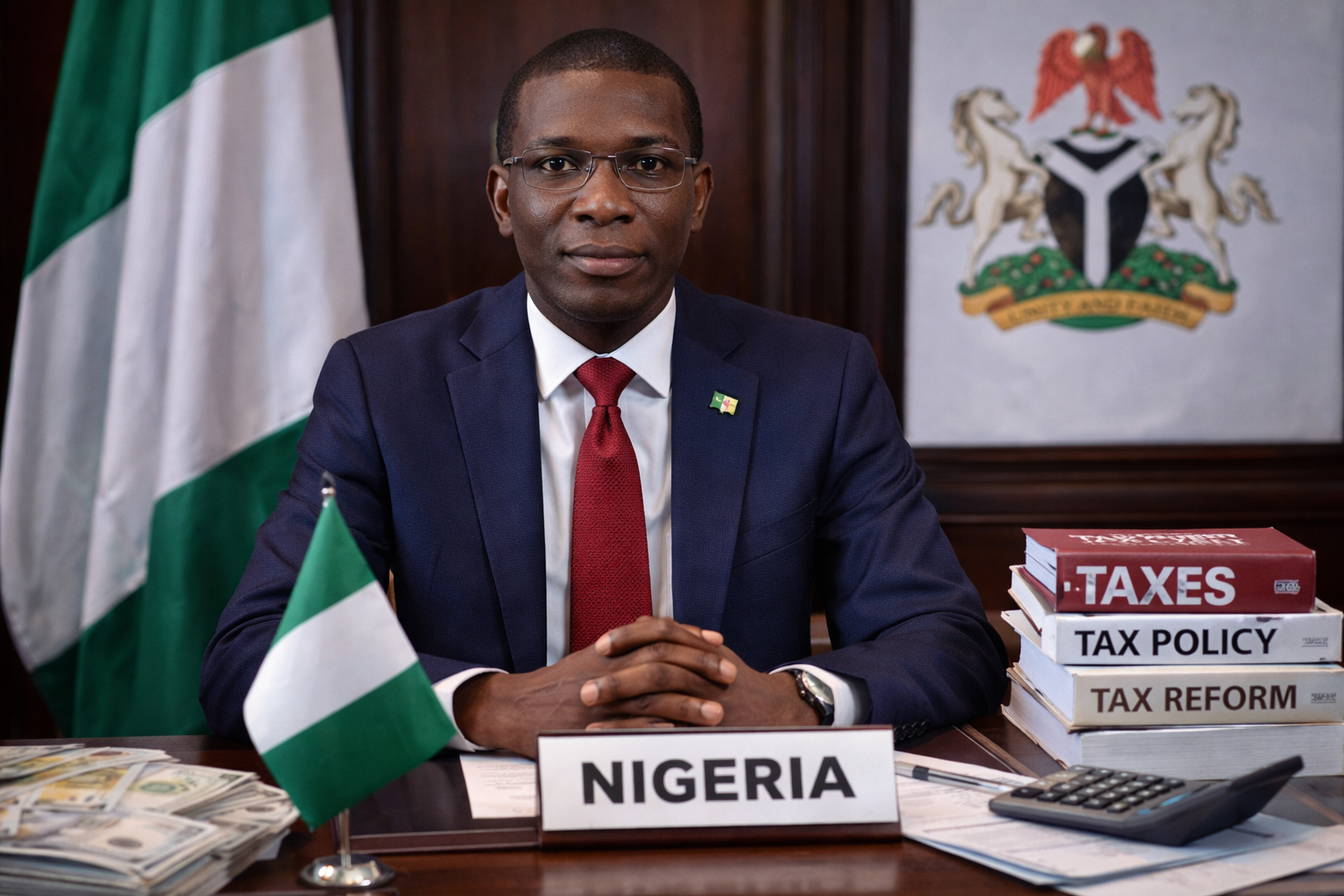
A significant reconfiguration of the economic leadership within the Federal Republic of Nigeria was documented on Tuesday, March 3, 2026, as the nomination of Taiwo Oyedele for the position of Minister of State for Finance was announced by the presidency. It was articulated in a statement disseminated by presidential spokesman Bayo Onanuga that the 50-year-old economist and public policy specialist has been selected to succeed Doris Uzoka-Anite, who is slated for reassignment to the Ministry of Budget and National Planning. This executive transition is perceived by institutional observers as a definitive move to consolidate the fiscal reforms initiated during the second year of President Bola Tinubu’s administration, following a tumultuous initial period characterized by the removal of petrol subsidies and multiple currency devaluations.
The selection of Oyedele is rooted in his recent leadership of the Presidential Committee on Fiscal Policy and Tax Reforms, an appointment that followed a distinguished twenty-year tenure at the professional services firm PwC. During his time at the firm, the roles of fiscal policy partner and Africa tax leader were held by Oyedele, providing him with a comprehensive vantage point on the systemic challenges facing the continent’s largest economy. His nomination has been formally forwarded to the Senate for confirmation, signaling the administration’s intent to elevate a technical specialist to a central role in the nation’s financial architecture.
The primary mandate associated with this ministerial elevation involves a fundamental overhaul of the Nigerian revenue collection apparatus. It was previously maintained by Oyedele during his committee chairmanship that the existing fiscal environment was characterized by an excessive and inefficient multiplicity of taxes. A strategic objective was established to reduce the number of levies imposed by both federal and state governments from an estimated sixty distinct taxes to fewer than ten. This consolidation is intended to improve the ease of conducting business within the country and to minimize the administrative friction that has historically hampered the growth of the private sector. By simplifying the tax code, it is believed that compliance rates will be improved, thereby facilitating a more predictable stream of public revenue.
The necessity of this reform is underscored by the current state of the Nigerian treasury. It has been documented that Nigeria possesses a tax-to-GDP ratio of approximately 10.8%, a figure that remains among the lowest globally. This fiscal deficit has historically necessitated a heavy reliance on domestic and international borrowing to fund the national budget, a practice that has contributed to a rising debt-servicing burden. The institutional goal for the 2026-2027 period involves an aggressive expansion of the tax base without increasing the tax burden on the most vulnerable segments of the population. Instead, the focus is being placed on closing existing loopholes, digitizing the collection process, and integrating the informal economy into the formal fiscal net.
The broader geopolitical and domestic context of this appointment cannot be ignored. The transition toward a more robust tax system is occurring as the administration seeks to stabilize the economy following the shocks of currency liberalization. It is understood that the successful implementation of the Oyedele-led reforms will be critical in reducing the sovereign’s vulnerability to global oil price fluctuations. By diversifying the sources of state income away from a singular dependence on petroleum exports, the government aims to create a more resilient fiscal foundation capable of supporting long-term infrastructure and social development projects.
Furthermore, the reassignment of the previous minister to the budget and national planning sector suggests a desire for greater synergy between revenue generation and strategic expenditure. It is expected that the collaboration between these two specialized ministries will facilitate a more coherent approach to national development, ensuring that tax revenues are allocated toward high-impact economic drivers. The expertise brought by Oyedele from the private sector is anticipated to instill a greater degree of investor confidence, as his prior professional trajectory is viewed as a bridge between government policy and the requirements of global financial markets.
Ultimately, the 2026 nomination of Taiwo Oyedele represents a shift toward technocratic governance in Nigeria’s pursuit of fiscal sustainability. The success of this ministerial tenure will likely be measured by the degree to which the “multiplicity of taxes” can be effectively dismantled and whether the tax-to-GDP ratio can be moved toward the regional average. As the Senate confirmation process unfolds, the focus of the international community will remain on Nigeria’s ability to translate legislative tax reforms into tangible economic stability. The transformation of the tax system is increasingly viewed not merely as a technical exercise, but as a foundational requirement for the nation’s emergence as a competitive global economy in the late 2020s.