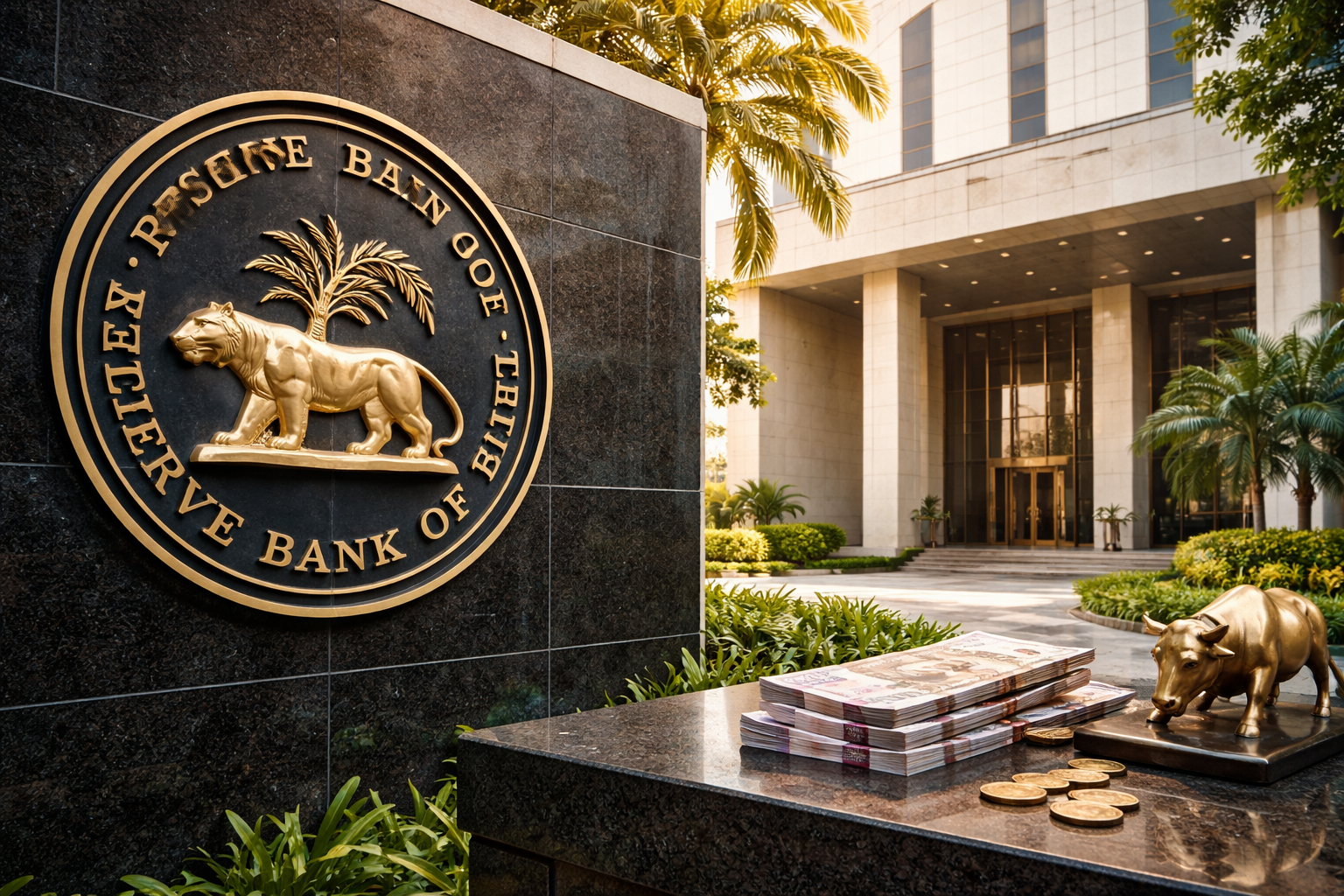



A significant decision regarding the trajectory of the domestic financial environment was documented on Friday, February 6, 2026, as the Reserve Bank of India’s Monetary Policy Committee elected to maintain the benchmark repo rate at 5.25%. This move, which was achieved through a unanimous vote by the six-member committee, is understood to be underpinned by a notably positive economic outlook and a substantial reduction in external pressures following a series of landmark trade agreements. The stability of the current rate environment is viewed as a strategic pause in what has been the most aggressive easing cycle since 2019, following a cumulative reduction of 125 basis points in the policy rate since February of the preceding year.
The maintenance of this rate is inextricably linked to the successful conclusion of international trade negotiations that have fundamentally altered India’s economic horizon. It has been reported that a free trade pact with the European Union and a pivotal tariff agreement with Washington are expected to be finalized by March 2026. Under the terms of the arrangement with the United States, import duties on Indian goods are projected to be reduced from nearly 50% to 18%. This significant concession was secured in exchange for India’s agreement to halt purchases of Russian petroleum and to lower existing trade barriers. These developments are regarded by the central bank as vital components that will ease long-standing pressure points for the world’s fifth-largest economy and its financial markets.
In his policy statement, Governor Sanjay Malhotra articulated that while external headwinds have intensified since the previous meeting, the anticipated benefits from these trade deals augur well for the broader economic outlook. The monetary policy stance was officially retained as “neutral,” a designation interpreted by market analysts as a signal that borrowing costs are likely to remain low for an extended duration. It was further clarified by the Governor that the current policy rate is deemed appropriate given the benign inflationary environment, though future adjustments will remain contingent on the evolving outlook for growth and domestic price stability.
India continues to be recognized as one of the most rapidly expanding major economies globally, a status supported by robust domestic demand, sustained public expenditure on infrastructure, and a resilient services sector. The economy is projected to achieve a growth rate of 7.4% within the current financial year, with forecasts from government economic advisors suggesting a growth range of 6.8% to 7.2% for the subsequent fiscal period. This cyclical up-cycle has allowed the central bank the flexibility to pause its easing cycle, aligning its strategy with other major Asian central banks, such as those in South Korea and Indonesia, which have similarly signaled pauses amidst fluctuating external pressures.
The inflationary landscape in India is currently characterized as exceptionally low, with projections suggesting an average rate of close to 2% for the current financial year. This figure sits comfortably below the central bank’s medium-term target of 4%. While retail inflation reached a three-month high of 1.33% in December, the overall trend is viewed as manageable. The decision to hold rates steady is seen by economists as a prudent measure to balance this low inflation with the need to sustain momentum in the wake of the transformative U.S. and European trade deals.
Following the announcement, a measurable reaction was documented across various asset classes. The benchmark 10-year bond yield experienced an upward movement, an outcome attributed to the absence of new liquidity-supporting measures within the policy statement. Simultaneously, the Indian rupee receded by 0.1%, while domestic equity indices successfully recouped earlier losses to finish the session largely unchanged. These market fluctuations reflect the transition of investor focus from active rate cuts toward the long-term structural benefits expected from the improved international trade environment.
Ultimately, the Reserve Bank of India’s decision to pause its easing cycle is viewed as a testament to the nation’s strengthened external position. By leveraging the gains from successfully negotiated trade pacts, the central bank has moved to solidify the domestic “neutral” stance, ensuring that the economy remains well-positioned to capitalize on a more favorable global trade architecture. As the 2026 fiscal year progresses, the focus of the monetary authorities is expected to remain on the seamless integration of these trade benefits into the broader economic framework, while maintaining a watchful eye on any shifts in the global inflationary tide.