

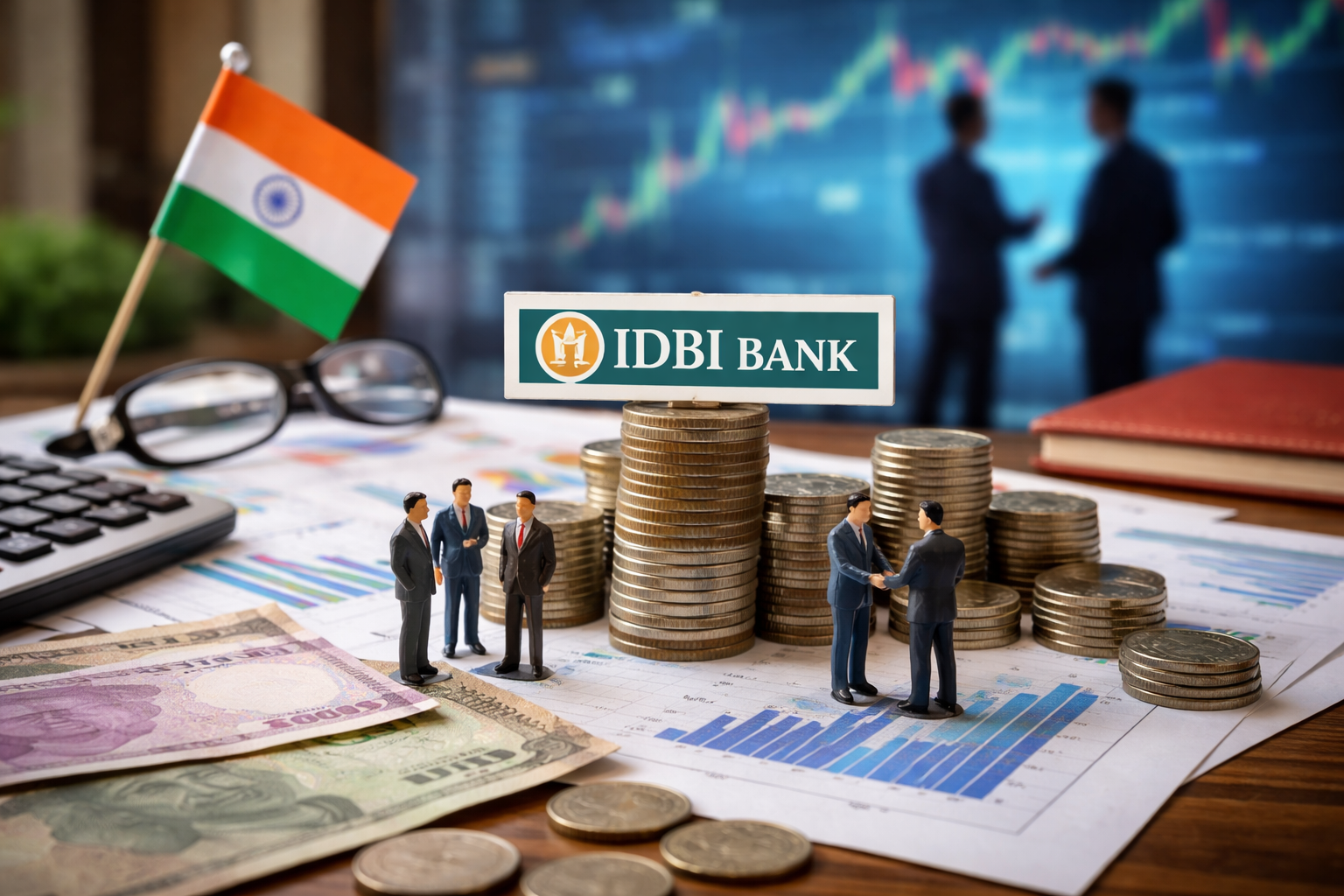
A significant reconfiguration of the Indian financial landscape was documented in the first quarter of 2026, as the protracted divestment of IDBI Bank transitioned into a decisive phase. It was reported by various financial observers that Fairfax Financial, a Canadian insurance holding firm, has emerged as the primary contender in the pursuit of a 61% stake in the $13 billion institution. This potential $8 billion transaction, if finalized, is identified as the largest-ever foreign direct investment within the local banking sector. However, the completion of this deal is characterized by a complex valuation paradox, wherein the Indian government appears positioned as an unlikely loser despite a broader boom in sectoral dealmaking.
The historical context of this transaction is rooted in the acute asset quality crisis of 2018, during which non-performing assets comprised nearly one-third of the bank’s total portfolio. The resulting erosion of the capital base necessitated an emergency intervention, leading New Delhi to direct the state-backed Life Insurance Corporation (LIC) to inject 216 billion rupees into the lender. This capital infusion effectively raised LIC’s stake from 8% to 51% by 2019, fundamentally altering the ownership structure to facilitate a gradual recovery. Currently, the equity is divided between LIC, which holds a 49% share, and the government, which retains 45%. It is observed that while a sale to Fairfax at current market prices would yield a 136% return for LIC on its initial investment, the government’s fiscal outcome is viewed as significantly less favorable. The lender’s shares are currently documented trading at levels lower than those recorded thirteen years ago, representing a substantial loss in real value for the sovereign treasury.
The challenge of securing a premium valuation is further exacerbated by the current trading multiples of the institution. IDBI’s shares are observed to be trading at approximately two times forward book value, a metric that is nearly double the valuation of similar-sized rivals such as Yes Bank and IDFC First Bank. It is maintained by market analysts that these multiples may be difficult to sustain in a formal acquisition. Potential buyers are expected to argue for significant discounts, citing the burden of employee liabilities, anticipated restructuring costs, and the probable absence of indemnity clauses in the sale agreement. Furthermore, the slow progress of the sale process, which was initiated in 2022, has allowed competitors to capture the attention of alternative bidders. This was evidenced last year when Sumitomo Mitsui Banking Corporation opted for a 24% stake in Yes Bank, thereby reducing the pool of interested capital for IDBI.
As the competition narrows to a two-horse race between Fairfax and Emirates NBD, the bargaining power of the sellers is perceived to be progressively diminishing. Both bidders already possess established footprints within the Indian credit market; the Dubai-headquartered Emirates NBD is positioned to take control of the $2 billion RBL Bank, while Fairfax maintains ownership of the $675 million CSB Bank. This existing presence provides these entities with significant leverage, as they are not reliant on this single transaction for market entry. Consequently, the demand for a control premium by state officials is viewed as increasingly untenable.
A primary structural impediment to a premium sale involves the regulatory cap on voting rights. Under current guidelines established by the Reserve Bank of India, the voting rights of private bank shareholders are capped at 26%, regardless of the size of their equity stake. This regulation effectively places any new owner at a disadvantage, as their voting power would be surpassed by the combined 34% share that LIC and the government would retain post-sale. To maximize the fiscal intake from this divestiture, it is suggested that officials may be compelled to request a relaxation of these voting rules from the central bank or, alternatively, reduce their combined residual stake to well below the 26% threshold.
In the absence of such regulatory or structural adjustments, the government risks capturing the weak end of the current merger and acquisition wave. The transition of IDBI from a state-dominated entity to a privately controlled institution represents a critical test of India’s privatization strategy. As the 2026 fiscal year progresses, the focus of the global financial community will remain fixed on whether the Indian government can navigate these valuation hurdles to achieve a successful exit, or if the transaction will ultimately serve as a cautionary tale regarding the costs of delayed institutional divestment.