
Skip to content
  • Home
  • Banking
  • Finance
  • Technology
  • FinTech
  • Business
  • Videos
  • Events
  • Awards
  • Magazine
placeholder-661-1.png
  • Home
  • Banking
  • Finance
  • Technology
  • FinTech
  • Business
  • Videos
  • Events
  • Awards
  • Magazine
logo

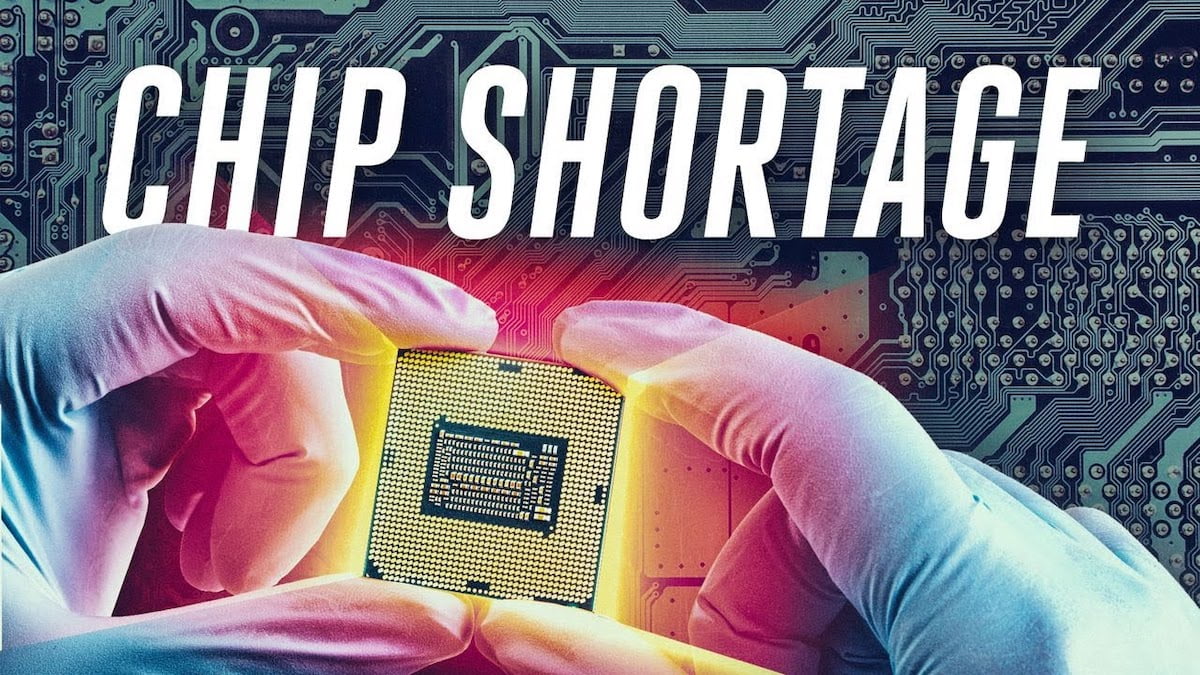
US chip subsidy effort faces pushback over china issues

A series of amendments for a $190 billion U.S. Senate bill aimed at countering China’s technology challenge are in limbo after business groups protested proposals intended to ensure that none of the money finds its way to China or other U.S. rivals.

U.S. business’s future operations could be disrupted because of the new regulations or reviews of investments or deals in China. This includes semiconductors and medical equipment. The bilateral trade deficit has run more than $100 billion a year since 2002. Senators from both sides of the aisle want guardrails, such as mandatory security disclosures and interagency reviews to stop U.S. businesses from compromising national security by outsourcing critical technologies to China.

YOU MAY ALSO LIKE

The Strategic Expansion of Vietnamese Aviation: Analyzing the Multi-Billion Dollar Boeing Acquisitions Amidst Evolving Transatlantic Trade Relations

The Strategic Calibration of Consumer Finance: Analyzing Citigroup’s 2026 Growth Projections and the Implications of Regulatory Interest-Rate Caps

For high-tech research, the Senate bill authorizes $120 billion. It also has authorized another $54 billion to subsidize U.S. semiconductor production. For chip factories, it makes no distinction between foreign recipients and U.S.-based firms in determining who gets funds for U.S. facilities. A key goal of the funding is to bring the world’s most advanced chip plants to the US. Taiwan Semiconductor Manufacturing Co and Korea’s Samsung Electronics Co Ltd only have this technology to do that.

Florida Republican Senator Marco Rubio has proposed an amendment requiring U.S. national security officials to screen recipients. Another amendment from Democratic Senator Bob Casey and Republican Senator John Cornyn would require an interagency review of any U.S. investments in China. Casey said that if a company wants to offshore semiconductors to China, they need to know about it. One Senate aide cited fierce opposition to the Casey-Cornyn amendment from businesses and some Republicans, including Senator Mike Crapo.

The House of Representatives is planning its own version of a China bill and could add other provisions on chips funding as well. Derek Scissors, of the conservative American Enterprise Institute, who studies China and security issues, said that the companies should be forced to make a choice. He added that if they receive federal government money, they cannot expand their business in China from that point. This is the end and if they don’t like that, they should not take the federal money.


Tags: ChinaChipUnited States

Leave a Reply Cancel reply

Your email address will not be published. Required fields are marked *

Search

No Result
View All Result

Recent News

The Architecture of Fiscal Credibility: Analyzing the International Monetary Fund’s Assessment of Argentina’s Reserve Accumulation and Monetary Refinements

The Strategic Convergence of Intelligence and Commerce: Analyzing the Google-Sea Partnership and the Evolution of Agentic Artificial Intelligence in Southeast Asia

The Strategic Expansion of Vietnamese Aviation: Analyzing the Multi-Billion Dollar Boeing Acquisitions Amidst Evolving Transatlantic Trade Relations

The Strategic Calibration of Global Fiscal Oversight: Analyzing the 2026 Revisions to the European Union’s List of Non-Cooperative Tax Jurisdictions

A Strategic Alignment in India’s Gold Lending Sector: Analyzing the Regulatory Sanction of Bain Capital’s Joint Control over Manappuram Finance

Navigating the Threshold of Stability: An Analysis of Switzerland’s Near-Zero Inflation and the Strategic Challenges Facing the Swiss National Bank

Global Business Review is a online print magazine focusing on the updates and information about on emerging markets, Finance, Banking, Technology. Global Business Review provides news, features, analysis, commentary, and interviews from industry across the globe.

Recent News

The Architecture of Fiscal Credibility: Analyzing the International Monetary Fund’s Assessment of Argentina’s Reserve Accumulation and Monetary Refinements

The Strategic Convergence of Intelligence and Commerce: Analyzing the Google-Sea Partnership and the Evolution of Agentic Artificial Intelligence in Southeast Asia

The Strategic Expansion of Vietnamese Aviation: Analyzing the Multi-Billion Dollar Boeing Acquisitions Amidst Evolving Transatlantic Trade Relations

The Strategic Calibration of Global Fiscal Oversight: Analyzing the 2026 Revisions to the European Union’s List of Non-Cooperative Tax Jurisdictions

A Strategic Alignment in India’s Gold Lending Sector: Analyzing the Regulatory Sanction of Bain Capital’s Joint Control over Manappuram Finance

Categories

  • Banking
  • Business
  • Events
  • Finance
  • Blogs
  • Fintech
  • Forex
  • Insurance
  • Technology
  • Videos

Social Media

COPYRIGHT © 2020-2026 GLOBAL BUSINESS REVIEW MAGAZINE LLC - ALL RIGHTS RESERVED

  • About Us
  • Contact Us
  • Advertise With Us
  • Leadership report
  • Privacy Policy
  • Disclaimer
  • Terms & Conditions
  • Nominate Now
No Result
View All Result
  • Home
  • Banking
  • Finance
  • Technology
  • FinTech
  • Business
  • Videos
  • Events
  • Awards
  • Magazine

Copyright © 2025 Global Business Review Magazine - All Rights Reserved.