


Wall Street staged its strongest rally in seven months on Monday, as a sharp fall in crude prices eased concerns about inflation and investors returned to technology shares that had been heavily sold the previous week. All three major US indices closed more than 2% higher, recovering much of the ground lost after the Democratic Party’s sweeping victory in the midterm elections.
The S&P 500 rose 2.35% to 7,549.94, its largest one-day percentage gain since 8 April, according to Reuters. The Dow Jones Industrial Average added 1,104.02 points, or 2.15%, to 52,389.75, while the Nasdaq Composite climbed 2.74% to 25,253.14, its best session since 30 July.
The rebound matters because it tests whether last week’s sell-off, the S&P 500’s steepest weekly decline since April 2025, reflected a lasting shift in sentiment or a short-lived reaction to political risk. It also comes ahead of key US inflation data that could shape the Federal Reserve’s next policy move.
Key Takeaways
- The S&P 500 gained 2.35% on Monday, its biggest daily rise since 8 April.
- A steep drop in oil prices, after President Donald Trump played down renewed strikes on Iran, eased inflation worries.
- Chip stocks rebounded strongly, with the Philadelphia Semiconductor Index up 6.9%, although Nvidia fell 4.2%.
- Markets still price in a high probability of a Federal Reserve rate rise in December, with October inflation data due on Tuesday.
Oil Slide Lifts Market Sentiment
Falling energy prices were a central driver of the rally. Crude fell sharply after President Donald Trump indicated that further US strikes on Iran were unlikely while talks continue, reducing fears of supply disruption that had pushed oil higher in recent weeks, Reuters and ABC News reported.
Lower oil prices tend to ease pressure on consumer prices and business costs, which in turn can soften expectations of aggressive monetary tightening. The move gave investors a reason to buy back into equities after a turbulent week in which political uncertainty and rate concerns combined to weigh on valuations.
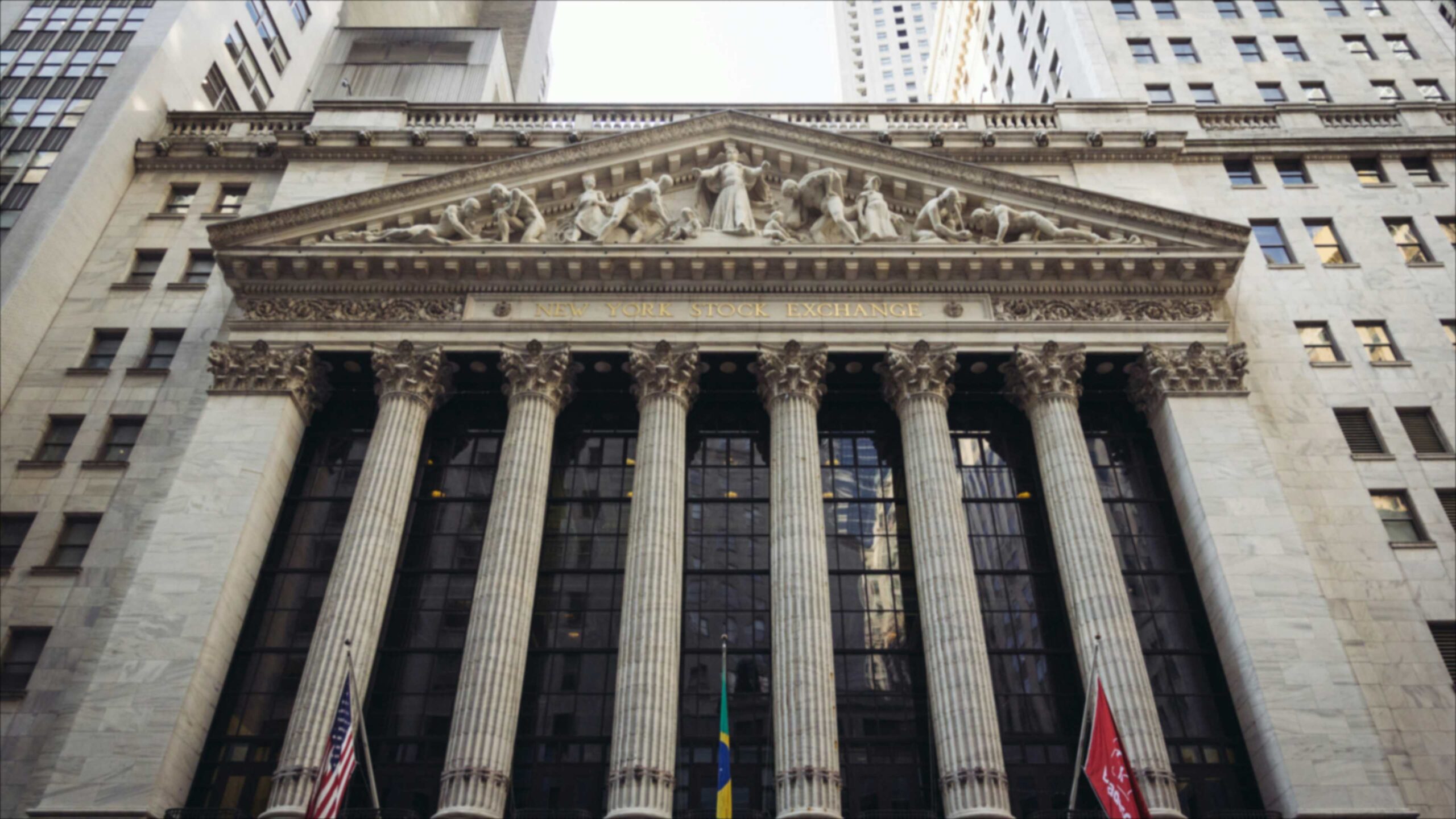
The advance was broad. All 11 sectors of the S&P 500 finished higher, with nine gaining more than 1%, and industrials and consumer discretionary shares each rising by more than 3%, according to Reuters. Advancing issues outnumbered decliners by roughly four to one on the New York Stock Exchange.
Chipmakers Recover After AI Rout
Semiconductor shares led the recovery in technology. The Philadelphia Semiconductor Index rose 6.9%, after falling more than 12% the previous week in its worst weekly performance since early April 2025. Advanced Micro Devices jumped 13.3% and Broadcom gained 8.8%.
Last week’s slide in artificial intelligence stocks followed concerns that the new Democratic congressional majorities could pursue tighter regulation of AI and data centre development, a theme covered in our report on how data centre stocks slid after the Democratic midterm sweep. The sell-off also spread to Asia, where SoftBank shares sank amid the global AI rout.
Analysts at Morgan Stanley and UBS said the decline had been overdone and that the risk of extreme regulation of data centres remained low, Reuters reported. Ken Polcari, partner and chief market strategist at SlateStone Wealth, said: “The AI story is not going away if people are worried about that.”
Nvidia Bucks the Wider Rally
Nvidia was a notable exception. The world’s second-most valuable company fell 4.2% to its lowest close since 7 April and was the only decliner in the semiconductor index. Investors weighed questions over the future of chief executive Jensen Huang after an internal investigation into whether a foreign intelligence effort had targeted him, according to Reuters.
ABC News reported that a class action had also been filed in a US federal court against the company and Mr Huang, alleging that shareholders had been misled. Nvidia’s decline contrasted sharply with gains among its peers, underlining how company-specific concerns are now shaping trading in the AI sector.
Elsewhere, Constellation Energy rose more than 10% after its adjusted third-quarter profit beat expectations, while private equity firm KKR gained 1.7% following a record quarterly profit.
Inflation Data and Fed in Focus
Despite the relief rally, expectations of further monetary tightening remain firm. CME FedWatch data showed traders assigning a probability of more than 80% to a Federal Reserve rate rise at its December meeting, after a strong October jobs report, as outlined in our coverage of traders betting on a December Fed hike after strong payrolls.
Richmond Federal Reserve President Tom Barkin said the central bank should proceed with care as it responds to inflation, Reuters reported. The Labor Department’s consumer price index for October is due on Tuesday, followed by producer price data on Friday.
Looking ahead, investors will watch whether softer energy prices feed through into the coming inflation figures, which could temper the case for a December rate rise. A firmer-than-expected reading, however, could revive volatility in rate-sensitive and technology shares, making this week’s data a key test of whether Monday’s recovery can be sustained. More coverage is available in our Finance section.