


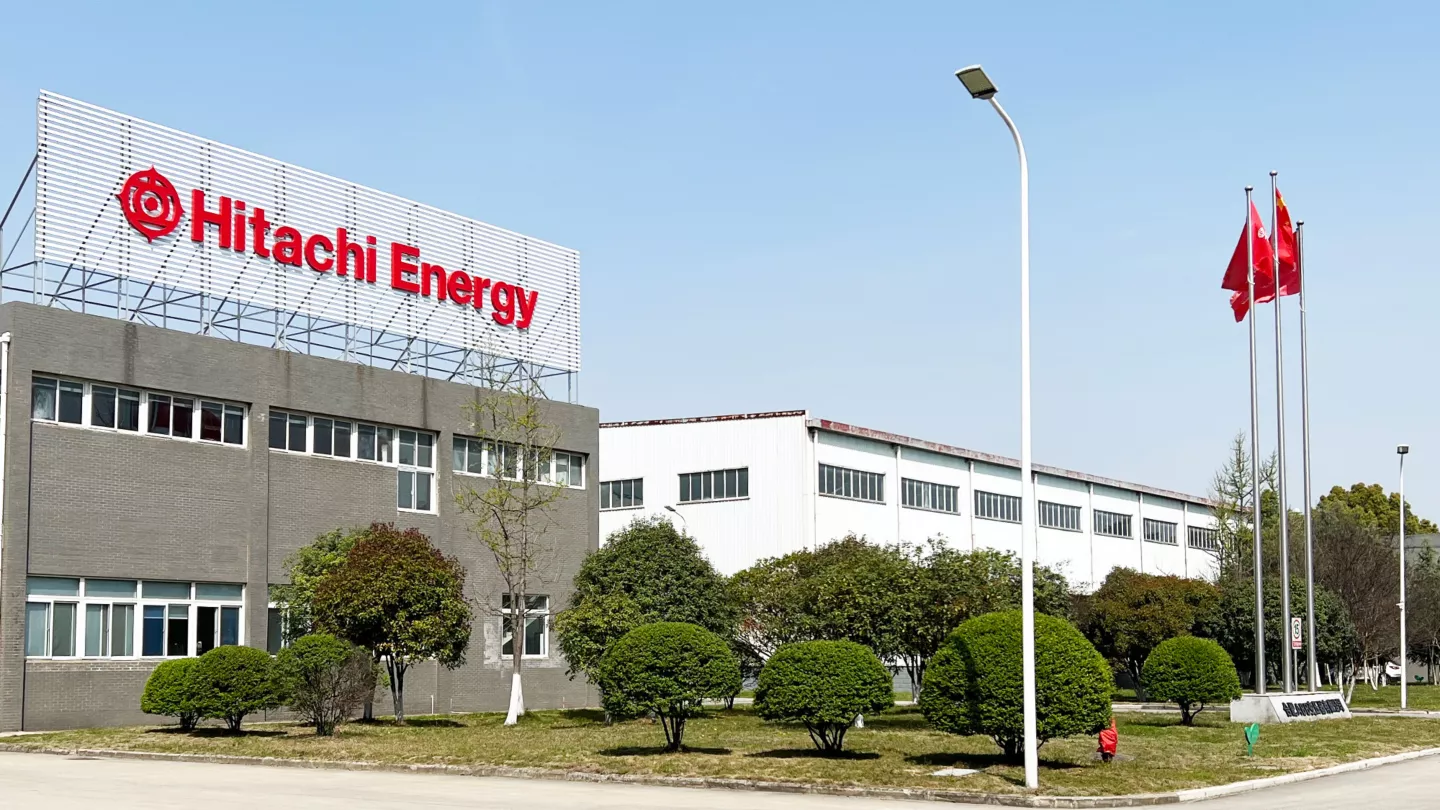
A critical requirement for an increased number of electricity connections between Europe and nations across the Mediterranean basin was articulated by a senior executive at Hitachi Energy. It was asserted by the representative that these international transmission links are vital to ensure that peak power demand is managed with high efficiency, while simultaneously supporting the systematic integration of renewable energy sources into the regional grid framework. These observations were shared shortly after public disclosures were made by Portugal’s energy minister, by whom it was confirmed that the government in Lisbon was actively exploring the feasibility of an electrical interconnection with Morocco. This potential infrastructure project is being considered to secure an auxiliary source of electricity in the event of future domestic supply disruptions.
The ongoing expansion of the Mediterranean energy architecture was highlighted by the recent finalization of a major commercial agreement between Italian grid operator Terna and Tunisian grid entity STEG. A €770 million contract was awarded by these joint operators to Hitachi Energy, a specialized subsidiary of Japan’s Hitachi Limited, to oversee the construction of advanced converter stations for a new maritime power link designated as Elmed. This specific link has been categorized as a strategic infrastructure project by the European Commission, representing the initial high-voltage direct-current interconnection to be established between Europe and North Africa. Through the implementation of this system, a 600-megawatt transmission link will be created, enabling bidirectional electrical power transport to and from Italy.
The operational advantages of the Elmed infrastructure were detailed by Niklas Persson, the managing director of Hitachi Energy’s Grid Integration Business Unit, who explained that the connection will empower Italy to import electricity directly from extensive renewable energy projects currently being planned within Tunisia. Furthermore, the capacity of both participating nations to respond effectively to volatile periods of peak electricity consumption will be substantially reinforced. It was noted by the executive that high-voltage direct-current technology functions as an exceptional enabler for the harmonization of renewable resources, while concurrently facilitating the transport of electrical energy over extensive geographical distances without suffering significant transmission losses. The prospective schedule for the venture was also disclosed, with expectations established that the transcontinental link will become fully operational by the year 2031.
Under the technical specifications formulated for the Elmed project, the converter stations engineered by Hitachi Energy will be utilized to transform alternating current into direct current prior to its transmission across the 220-kilometer maritime corridor. Upon reaching its destination, the electrical energy will be converted back into alternating current to permit seamless integration into local domestic distribution networks. This specific dual-conversion methodology is necessitated by standard electrical engineering principles, wherein alternating current is traditionally utilized for residential and commercial consumption, whereas direct current is preferred for long-distance transport due to its capacity to minimize power dissipation during transit.
The developmental timeline for the physical infrastructure was also outlined, with the construction of the specialized converter stations projected to commence in approximately twelve months. It was further specified by corporate leadership that the manufacturing of the necessary high-tech equipment will be sourced entirely from within Europe. The implementation of this project is viewed by energy economists as a foundational step toward a unified Euro-Mediterranean power grid. By creating these high-capacity lines of energy interdependence, the structural risks associated with localized grid failures can be heavily mitigated. As nations continue to transition away from fossil-fuel baseline power toward variable wind and solar inputs, the deployment of such cross-border interconnections is increasingly recognized as indispensable for stabilizing volatile energy markets and ensuring regional security of supply.