



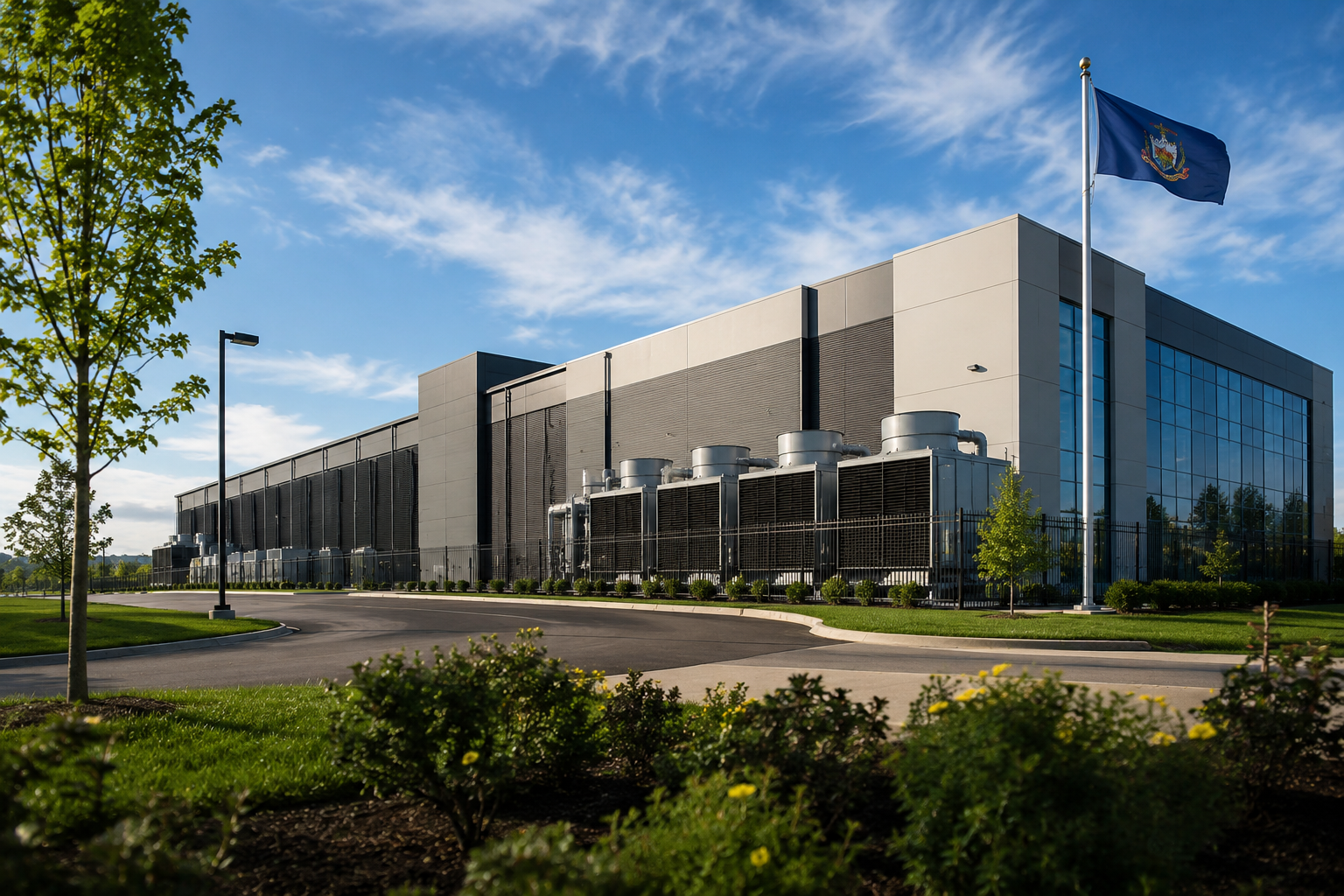
Pennsylvania Governor Josh Shapiro has signed an executive order introducing stricter requirements for companies seeking to build artificial intelligence data centers in the state, amid growing concerns about the environmental and economic impact of the rapidly expanding industry.
The order, signed on Tuesday, August 18, requires companies developing AI data centers to meet environmental and transparency standards and obtain approval from local communities before moving ahead with projects.
Pennsylvania has emerged as an attractive destination for data center operators because of its abundant natural gas resources from the Marcellus shale basin, established electricity infrastructure and location close to major population centers along the U.S. East Coast. These advantages have increased interest in developing facilities needed to support the growing demand for artificial intelligence and cloud computing.
However, the expansion of data centers has also generated increasing opposition across the United States. Concerns have focused on electricity consumption, potential increases in utility costs, environmental effects and the impact of large facilities on local communities.
A June Reuters/Ipsos poll highlighted the extent of those concerns. The survey found that only about one-third of Americans supported the pace at which data centers were being built. Support was even lower for projects located within respondents’ own communities, with only 14% saying they supported a data center being constructed where they live.
Under Shapiro’s executive order, the new restrictions take effect immediately. All data centers have been removed from Pennsylvania’s Fast Track permit program, meaning such projects will no longer receive the accelerated permitting process available under the program.
The order also prevents offices and agencies under the governor’s authority from entering into non-disclosure agreements with data center developers. The measure is intended to increase transparency surrounding proposed developments and give communities greater visibility into projects that could have significant effects on local infrastructure and resources.
Shapiro said the executive action was designed to prevent what he described as objectionable and unnecessary projects while establishing what he characterized as the country’s strictest protections for data center development.
The governor also said the measures were aimed at protecting Pennsylvania residents from higher utility bills and safeguarding access to clean air and water. The issue of electricity costs has become particularly important as AI data centers require large amounts of power to operate increasingly sophisticated computing systems.
Pennsylvania’s approach comes as other U.S. states have begun taking steps to address the rapid growth of data center construction. New York introduced a one-year moratorium on large new data centers in July. The move reflected concerns about the effects of additional facilities on electricity demand and other resources.
Texas has also taken action. Earlier in August, Governor Greg Abbott paused approvals for new data center projects, citing concerns that increasing electricity demand could pose risks to the reliability of the state’s power system.
The debate comes as technology companies continue to expand their infrastructure to support artificial intelligence. Data centers are essential for training and operating AI systems, as well as providing cloud computing services used by businesses and consumers.
Pennsylvania has already attracted significant investment linked to this trend. Amazon announced last year that it planned to invest $20 billion in the state to expand its cloud infrastructure, underscoring Pennsylvania’s importance as a potential hub for data center development.
The governor’s new order could therefore have implications for companies seeking to expand in the state, particularly as demand for AI-related computing capacity continues to grow. At the same time, the measures reflect broader efforts by U.S. policymakers to balance technological investment with concerns over energy use, environmental protection, transparency and the interests of local communities.
As more states reconsider how data centers should be approved and regulated, Pennsylvania’s new requirements add to a growing national debate over how the infrastructure needed for the AI boom should be developed and who should bear its costs.