



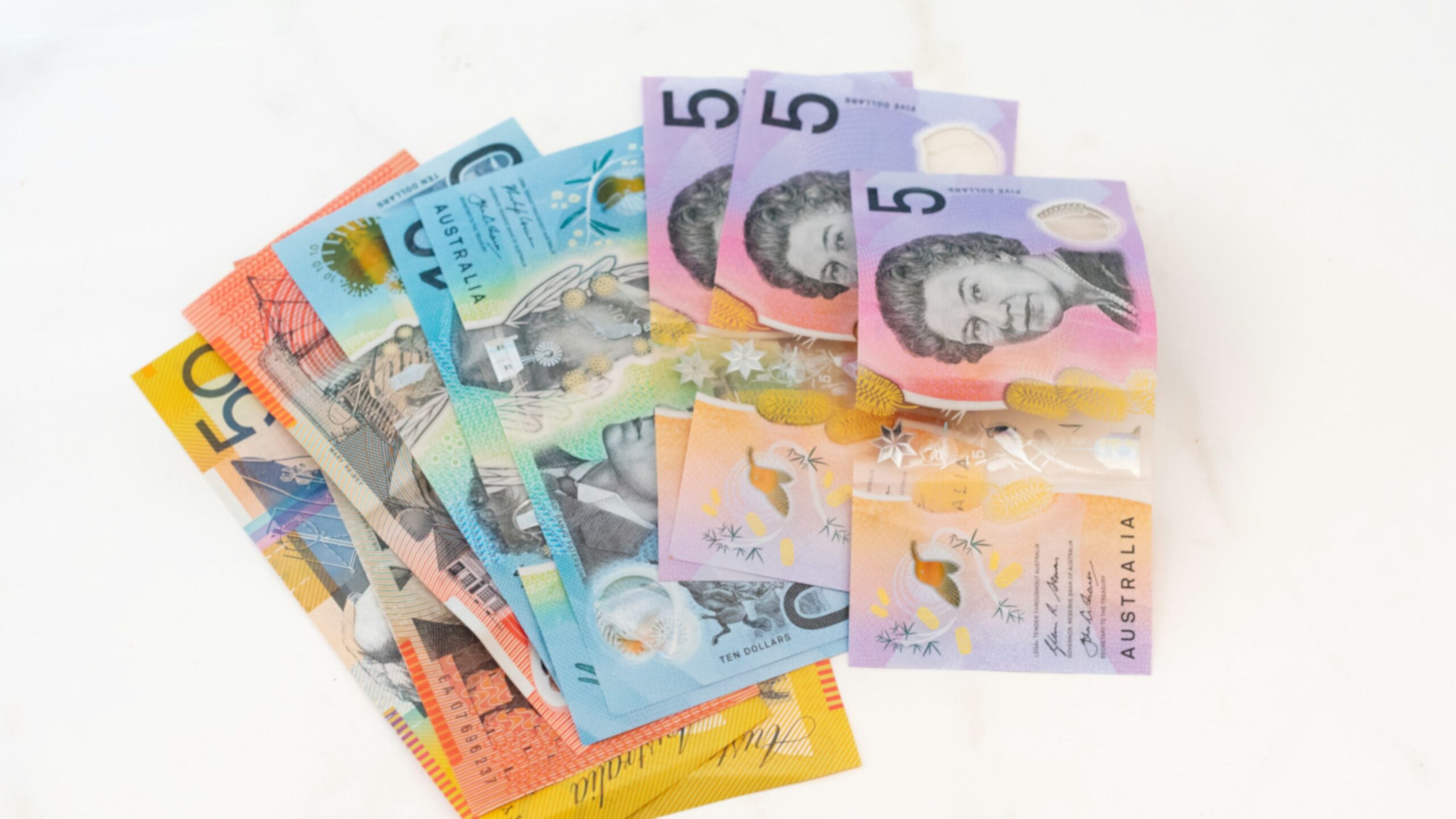
The Australian dollar rose on Wednesday after data showed consumer prices climbed faster than expected in October, while the US dollar paused as traders awaited inflation and growth figures that are the last major releases before the Federal Reserve’s December policy meeting.
The Australian currency gained 0.29% to $0.6657, Reuters reported, after official data showed annual inflation accelerated to 4.9%. The dollar index, which tracks the greenback against six major peers, was flat at 103.85 after falling 0.44% in the previous session.
The moves highlight how currency markets are increasingly shaped by diverging inflation pressures across major economies. Central banks in the United States, Australia and Japan all face fresh evidence that price pressures remain persistent, keeping the prospect of tighter policy firmly in view.
Key Takeaways
- Australia’s annual inflation rate rose to 4.9% in October, with monthly prices up 0.5% against forecasts of 0.4%.
- The trimmed mean measure of core inflation climbed to 3.8% from 3.6%, keeping the risk of further RBA tightening alive.
- The US dollar index held at 103.85 ahead of PCE inflation and GDP data due on Wednesday.
- CME FedWatch data show traders pricing a 97% chance of a Federal Reserve rate hike in December.
Australian Inflation Beats Forecasts
Consumer prices in Australia rose 0.5% in October from the previous month, above the 0.4% increase economists had expected, lifting the annual rate to 4.9%, according to Reuters and investingLive. Higher fuel costs were among the main contributors to the headline figure.
Underlying price pressures also strengthened. The trimmed mean, a measure of core inflation closely watched by the Reserve Bank of Australia because it strips out the most volatile price changes, rose 0.5% in the month and lifted its annual pace to 3.8% from 3.6%.
The data arrive after the central bank has already raised interest rates by a cumulative 125 basis points this year, including a move that took the cash rate to an 18-year high earlier this month. The labour market has softened at the same time, with unemployment climbing to a five-year high, complicating the policy outlook.
Rate Outlook Clouded for the RBA
Before the release, investors had been building bets on interest rate cuts next year. The stronger-than-expected readings led markets to temper some of that enthusiasm, Reuters reported, while investingLive noted that traders may need to push back the expected timing of a first cut.
The firmer core reading supports the Australian dollar by reducing the likelihood of near-term easing. Policymakers will be watching closely for evidence of whether the latest rise in price pressures proves temporary or begins to broaden across the economy.
US Dollar Awaits PCE and GDP Data
In the wider currency market, the euro slipped 0.03% to $1.0961 and the dollar edged 0.03% lower to 159.28 yen, according to Reuters and PiQ Markets. The greenback has been broadly firm this month, having held near a 19-month high last week as strong US data reinforced expectations of tighter policy.
Investor attention is now centred on the Commerce Department’s personal consumption expenditures price index, the Federal Reserve’s preferred inflation gauge, which is expected to show a 0.3% rise in October after a 0.5% gain in September. The government will also publish its second estimate of third-quarter gross domestic product.
Fed funds futures show traders pricing a 97% probability of a rate increase at the December meeting and a 66% chance of a further hike in January, according to the CME Group’s FedWatch tool. A stronger-than-expected inflation print would likely reinforce those expectations and support the dollar.
Japanese Services Inflation Lifts BOJ Bets
The yen held steady after data showed Japan’s services producer price index rose 4.2% in October from a year earlier, the fastest pace in 36 years, according to Reuters. The figure, which tracks prices that companies charge one another for services, points to broadening price pressure in the economy.
Analysts said the reading strengthens the case for a near-term interest rate increase by the Bank of Japan, according to Reuters and investingLive. With the dollar trading just below 160 yen, any shift in the central bank’s guidance is likely to be closely scrutinised by currency traders.
Looking ahead, currency traders are expected to react sharply to the US PCE and GDP releases, which will shape expectations for the Federal Reserve’s final meeting of the year. In Australia, attention will turn to upcoming labour market and monthly inflation data for signs of whether the Reserve Bank needs to tighten further, while Bank of Japan signals will remain a key driver for the yen into December.