


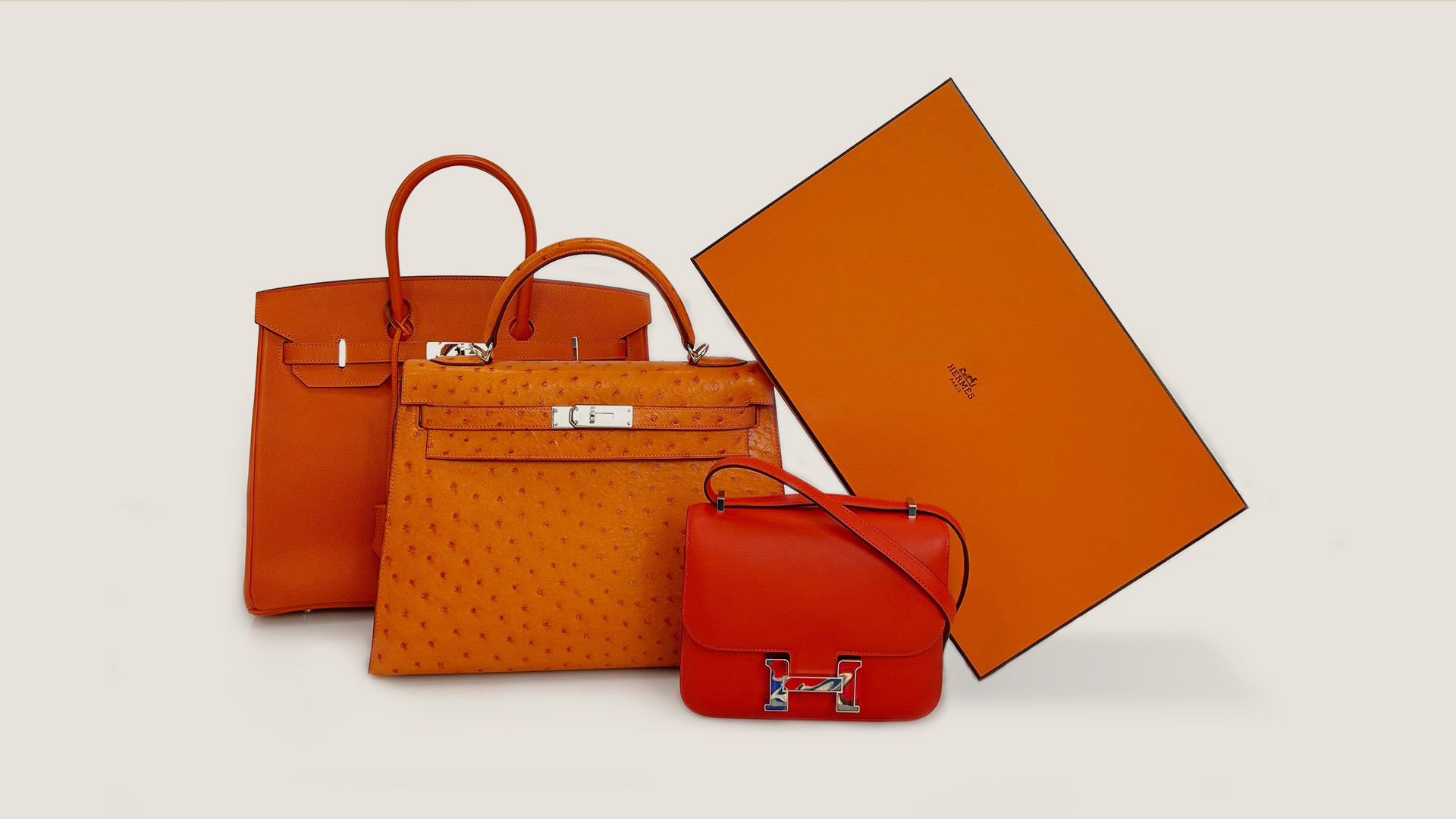
French luxury fashion house Hermes has defied economic headwinds and uncertainties plaguing the luxury sector with robust third-quarter sales that exceeded expectations. Despite signs of slowing consumer spending in high-end fashion, Hermes’ wealthy clientele continued to indulge in luxury goods, particularly the coveted Birkin handbags. The luxury brand’s resilience in the face of global economic fluctuations and uncertainties has reinforced its reputation as a sector leader, outperforming its peers.
Hermes’ sales for the third quarter of the year demonstrated a consistent upward trajectory, with the executive vice president of finance, Eric du Halgouet, expressing unwavering confidence in the brand’s outlook. In a time when other luxury retailers have faced challenges linked to inflation and economic instability, Hermes remains a shining example of resilience.
Hermes’ shares experienced a notable uptick of 1.5% during mid-morning trading, a clear indication of investor confidence in the brand’s performance and its ability to weather economic fluctuations successfully. The luxury sector, which has been marked by reduced consumer spending and sales uncertainty in recent weeks, has had its estimates adjusted lower. This trend followed a sales report by LVMH, a bellwether for the luxury industry, which indicated that high-end fashion expenditures were declining amid rising inflation and economic uncertainties.
However, Hermes stands as a notable exception to this trend. The brand’s exclusive focus on affluent clientele, who are willing to splurge on high-end products like the iconic Birkin handbags, has shielded it from the economic turbulence that has affected its rivals.
Thomas Chauvet, a Citi analyst, noted that Hermes’ consistent industry-leading growth could position it as an attractive investment opportunity in a luxury sector currently out of favor with investors.
Hermes’ Q3 performance was especially impressive in the Americas, where sales surged by 20%, despite relatively modest price increases compared to other regions. The brand achieved even growth rates on both the East and West Coasts of the United States. The Madison Avenue store in New York, which opened its doors in October the previous year, played a significant role in this growth.
Sales in Europe also exhibited strong growth, with a remarkable 18.1% increase. According to Du Halgouet, the region saw no signs of a slowdown in tourist traffic, even in the first weeks of October. However, he emphasized that the brand remains watchful, acknowledging the potential impact of an uncertain geopolitical context on tourism.
Mainland China, a crucial market for luxury brands, witnessed robust growth in store traffic, with a noticeable rebound in business during July and August. This positive momentum accelerated further during the third quarter. Bernstein analyst Luca Solca highlighted the homogeneity of this progression across all geographies and product categories, signaling Hermes’ strong appeal to a diverse customer base.
Hermes reported sales of 3.37 billion euros (approximately $3.60 billion) for the three months ending in September, marking a substantial 15.6% increase at constant exchange rates. This impressive performance exceeded a Visible Alpha consensus that anticipated 14% growth. Sales remained robust across all regions, with the U.S. market showing particular strength.
In response to rising production costs, Hermes implemented price increases of approximately 7% globally this year. However, these increases were more moderate in the U.S., where they hovered around 3%, and substantially higher in Japan, where they reached double digits due to currency fluctuations.
Hermes’ ability to navigate economic challenges and maintain strong sales performance highlights the enduring appeal of luxury fashion and accessories among affluent consumers. The brand’s commitment to maintaining a unique and exclusive product range, coupled with its ability to adapt to changing economic circumstances, positions it as a beacon of resilience in the luxury sector. As uncertainties persist, Hermes remains a symbol of stability and growth in the realm of high-end fashion.