
Skip to content
  • Home
  • Banking
  • Finance
  • Technology
  • FinTech
  • Business
  • Videos
  • Events
  • Awards
  • Magazine
placeholder-661-1.png
  • Home
  • Banking
  • Finance
  • Technology
  • FinTech
  • Business
  • Videos
  • Events
  • Awards
  • Magazine
logo

BoE aims for large but lean balance sheet when QE unwinds

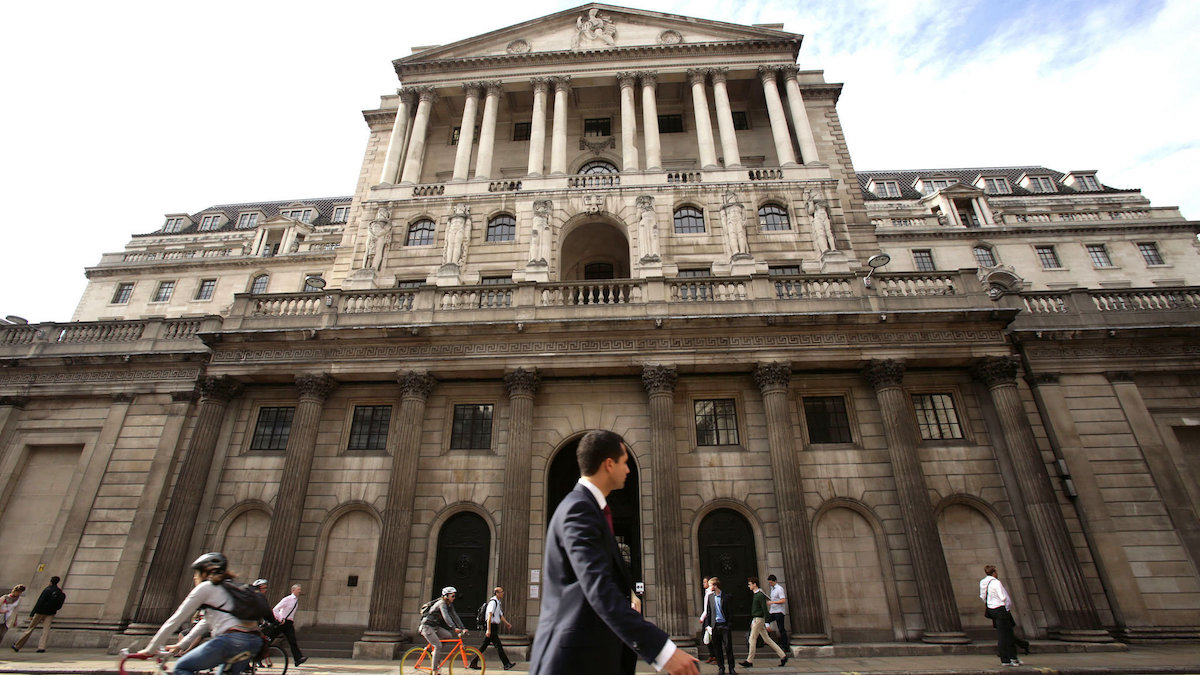
The Bank of England is expecting to have a large but leaner balance sheet when it starts to run down its 895-billion-pound asset purchase program. It will take steps to ensure this does not push up short-term rates. Andrew Hauser, the BoE’s executive director for markets, said that the financial markets should not expect the central bank to intervene as it did in March 2020 aggressively. This was because of the fear of the COVID pandemic.

The BoE had announced last month that it expected to stop reinvesting the proceeds of maturing bonds from its quantitative easing program. Their interest rates had raised to 0.5% from their current 0.1%. After they had raised the BoE’s main interest rate to 1%, the policymakers would consider outright sales. Governor Andrew Bailey told lawmakers that he did not expect this policy to push bond yields.

YOU MAY ALSO LIKE

Nationwide Banking Paralysis Ensues as Labor Demands Collide with Deepening Tunisian Economic Crisis

Strategic Licensing Bid Underscores Swiss Bank’s Focus on U.S. Wealth Management Expansion

Hauser, in a speech to the International Finance and Banking Society, said that he expected the size of the BoE’s balance sheet. This reflects QE purchases, banknotes in issue and other market operations. He added that overall, the size of the BoE’s balance sheet would fall but remain larger than before. In a public speech he said that they expect to adopt a market-led approach. In this they allow reserves to fall as QE assets roll off, but stand ready to replace any demand shortfall that might arise through shorter term open market operations.

Hauser also added that the scale of the BoE’s intervention is in March 2020. This is when it restarted bond purchases to tackle market dysfunction, broader economic weakness etc., which were caused by the pandemic. Market participants should therefore build stronger self-insurance. They also should expect greater regulatory scrutiny, in exchange for central bank access.


Tags: Andrew HauserBank of EnglandBankingPandemic

Leave a Reply Cancel reply

Your email address will not be published. Required fields are marked *

Search

No Result
View All Result

Recent News

The Legislative Impasse of Digital Asset Regulation: Analyzing the Senate Agriculture Committee’s Party-Line Advancement of the Crypto Framework

The Strategic Reconfiguration of Semiconductor Supply Chains: Analyzing the Impact of AI-Driven Memory Scarcity on Global Consumer Electronics

The Strategic Restoration of the Coffeehouse Model: Analyzing Starbucks’ Domestic Sales Growth and Operational Realignment Under New Leadership

Strategic Realignment and the Pursuit of Competitive Parity: An Analytical Review of Citigroup’s Global Banking Leadership Overhaul

Legislative Body Pressures Swiss Government to Moderate Proposed Capital Requirements for Major Domestic Bank

Nationwide Banking Paralysis Ensues as Labor Demands Collide with Deepening Tunisian Economic Crisis

Global Business Review is a online print magazine focusing on the updates and information about on emerging markets, Finance, Banking, Technology. Global Business Review provides news, features, analysis, commentary, and interviews from industry across the globe.

Recent News

The Legislative Impasse of Digital Asset Regulation: Analyzing the Senate Agriculture Committee’s Party-Line Advancement of the Crypto Framework

The Strategic Reconfiguration of Semiconductor Supply Chains: Analyzing the Impact of AI-Driven Memory Scarcity on Global Consumer Electronics

The Strategic Restoration of the Coffeehouse Model: Analyzing Starbucks’ Domestic Sales Growth and Operational Realignment Under New Leadership

Strategic Realignment and the Pursuit of Competitive Parity: An Analytical Review of Citigroup’s Global Banking Leadership Overhaul

Legislative Body Pressures Swiss Government to Moderate Proposed Capital Requirements for Major Domestic Bank

Categories

  • Banking
  • Business
  • Events
  • Finance
  • Blogs
  • Fintech
  • Forex
  • Insurance
  • Technology
  • Videos

Social Media

COPYRIGHT © 2020-2026 GLOBAL BUSINESS REVIEW MAGAZINE LLC - ALL RIGHTS RESERVED

  • About Us
  • Contact Us
  • Advertise With Us
  • Leadership report
  • Privacy Policy
  • Disclaimer
  • Terms & Conditions
  • Nominate Now
No Result
View All Result
  • Home
  • Banking
  • Finance
  • Technology
  • FinTech
  • Business
  • Videos
  • Events
  • Awards
  • Magazine

Copyright © 2025 Global Business Review Magazine - All Rights Reserved.